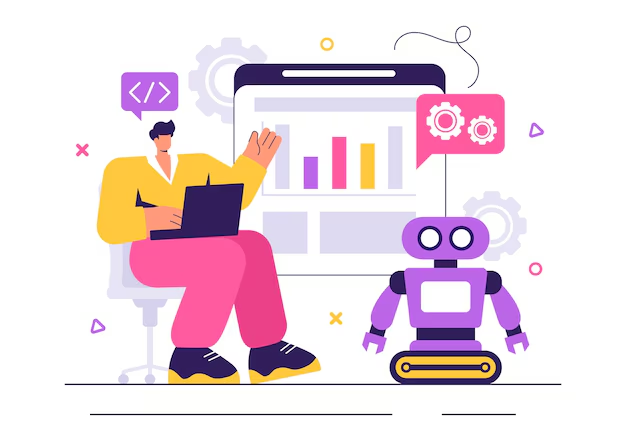

The world of B2B sales is undergoing a monumental transformation. Traditionally, sales playbooks—comprehensive guides outlining strategies, processes, and best practices for sales teams—have been crucial for driving growth and consistency. However, as we move into an AI-first B2B world, sales playbooks are evolving to leverage the power of artificial intelligence (AI) to improve efficiency, accuracy, and results.
AI-driven tools are reshaping how B2B businesses approach lead generation, prospecting, customer engagement, and closing deals. Sales teams can no longer rely solely on manual processes, intuition, or traditional methods. The future of sales playbooks is one that’s deeply integrated with AI, allowing businesses to stay competitive in an ever-changing market. This blog will explore how sales playbooks are evolving in an AI-first world and how B2B businesses can harness the power of AI to refine their sales processes.
What is a Sales Playbook?
A sales playbook is a critical tool used by sales teams to outline the strategies, tactics, messaging, and best practices needed to convert leads into customers. It serves as a reference guide for salespeople, helping them navigate different stages of the sales funnel—from prospecting to closing deals. A typical sales playbook contains:
- Buyer personas: Detailed profiles of ideal customers
- Sales strategies and methodologies: Frameworks for approaching prospects and closing deals
- Scripts and messaging: Communication templates for engaging with leads at various stages
- Objection handling techniques: Proven responses to common sales objections
- Performance metrics: KPIs (key performance indicators) to measure success
While traditional sales playbooks focus on human-driven strategies, the rise of AI is prompting businesses to rethink their approach to sales playbooks. Sales teams are now looking at ways to automate repetitive tasks, analyze data more effectively, and personalize their outreach—all with the help of AI.
The Shift to an AI-First B2B World
The AI-first B2B world refers to the growing trend of integrating AI technologies into business operations, including sales, marketing, and customer service. AI in B2B sales is being used to improve decision-making, predict customer behavior, and automate routine tasks. As AI continues to evolve, it’s becoming a core part of how businesses interact with customers, gather insights, and refine their sales strategies.
Several AI technologies are impacting the B2B sales landscape:
- Machine learning (ML): Helps sales teams predict buyer behavior, identify high-value leads, and optimize sales workflows.
- Natural language processing (NLP): Improves customer interactions by analyzing language and tone, enabling more personalized communication.
- AI-powered analytics: Provides data-driven insights into sales performance, customer preferences, and market trends.
- Chatbots and virtual assistants: Automate initial customer interactions, freeing up time for sales reps to focus on high-value tasks.
- Predictive analytics: Uses data from past interactions to forecast the likelihood of closing deals, allowing sales teams to focus their efforts on the most promising leads.
As AI continues to evolve, sales playbooks must adapt to these new technologies to remain effective and efficient.
How AI is Revolutionizing Sales Playbooks
In the AI-first B2B world, sales playbooks are evolving in several key ways. AI is not only changing how salespeople interact with customers but also how they approach their roles. Here’s how AI is reshaping the core elements of sales playbooks.
1. Data-Driven Decision Making
AI provides sales teams with access to vast amounts of data that can be used to make more informed decisions. Traditional sales playbooks rely on human experience and intuition to determine the best strategies for closing deals. In contrast, AI-powered sales playbooks incorporate real-time data analysis, allowing teams to make data-driven decisions on the fly.
- Lead scoring: AI tools analyze customer data to identify high-potential leads, allowing sales teams to prioritize efforts and increase conversion rates.
- Customer insights: AI analyzes customer behavior, purchase history, and engagement levels to provide insights into what drives a customer’s decision-making process. This enables salespeople to tailor their approach to each individual lead.
- Sales performance tracking: AI can track the success of different sales strategies and tactics in real time, helping teams identify what’s working and adjust their approach accordingly.
With AI, sales playbooks are becoming more dynamic, allowing for continuous optimization based on real-world data.
2. Personalized Sales Interactions
One of the most powerful applications of AI in B2B sales is personalization. Personalized outreach and content are essential for engaging modern B2B buyers, who expect tailored solutions and messaging that align with their unique challenges and needs.
AI enables sales teams to create hyper-personalized experiences for each customer. For example, AI tools can analyze a lead’s past interactions with the business—such as website visits, email opens, and downloads—and generate personalized content recommendations or suggest tailored messaging for sales calls. By leveraging AI-powered personalization, sales teams can significantly improve engagement rates and close deals faster.
Some AI-driven personalization tactics include:
- Customized email sequences: AI tools can automatically craft personalized emails based on lead behavior and preferences.
- Dynamic website content: AI can alter website content in real-time, showing different product recommendations or messaging based on a visitor’s profile or past interactions.
- Personalized product demos: AI can identify the products or services that are most relevant to a particular lead and tailor product demos to showcase those features.
Personalization powered by AI ensures that sales teams can speak directly to the pain points of their prospects, building trust and increasing the likelihood of conversion.
3. Automating Repetitive Tasks
AI excels at automating repetitive tasks, freeing up sales teams to focus on higher-value activities. Traditional sales playbooks often emphasize manual processes, such as lead research, data entry, and follow-up emails. However, AI tools can handle many of these tasks with speed and accuracy, allowing salespeople to concentrate on building relationships and closing deals.
Some examples of AI-powered automation in sales playbooks include:
- Lead qualification: AI chatbots can automatically qualify leads by asking questions and determining whether they are a good fit for your product or service.
- Email outreach: AI tools can automatically send follow-up emails to leads, schedule meetings, and remind sales reps about upcoming tasks.
- CRM updates: AI can automatically update customer relationship management (CRM) systems with new information, ensuring that sales teams always have access to the most current data.
By automating these tasks, AI allows sales teams to work more efficiently and spend more time engaging with leads that are most likely to convert.
4. Advanced Forecasting and Predictive Analytics
Sales forecasting is a crucial part of any sales strategy, and AI is taking this process to the next level. Traditional sales playbooks rely on historical data and the experience of sales managers to predict future sales outcomes. However, AI-driven sales playbooks incorporate predictive analytics, which can provide more accurate forecasts based on a wider range of variables.
AI-powered predictive analytics tools analyze past sales data, customer behavior, and market trends to predict the likelihood of a lead converting into a customer. This allows sales teams to:
- Identify at-risk deals: AI can flag deals that are at risk of stalling, allowing sales reps to take action before the opportunity is lost.
- Optimize resource allocation: AI can help sales managers allocate resources more effectively by identifying which deals are most likely to close and which ones need more attention.
- Improve pipeline management: By predicting future sales performance, AI helps sales teams manage their pipelines more effectively, ensuring that the right deals are prioritized.
With AI’s ability to predict future outcomes, sales teams can make more informed decisions about where to focus their efforts.

5. Real-Time Coaching and Training
AI can also be used to provide real-time coaching to sales teams. Traditional sales playbooks offer static guidelines and strategies, but AI allows for a more dynamic, personalized approach to training and development.
AI-powered tools can listen to sales calls, analyze conversations, and provide feedback in real-time. For example, AI might suggest ways to improve a sales pitch, recommend better objection-handling techniques, or highlight areas where a salesperson could improve their performance. This immediate feedback allows salespeople to continuously improve their skills, ultimately leading to better results.
Additionally, AI can help sales managers identify patterns in performance and provide targeted training to sales reps who need it most.
The Future of AI-Driven Sales Playbooks
As AI technology continues to evolve, sales playbooks will become even more sophisticated and integral to the sales process. Here are a few key trends to watch for in the future of AI-driven sales playbooks:
- Full Automation: AI will increasingly take over the entire sales process, from lead generation to closing deals. Automation will streamline workflows, enabling sales teams to focus entirely on building relationships and strategic decision-making.
- AI-Enhanced Collaboration: Sales playbooks will evolve to facilitate greater collaboration between sales teams and other departments, such as marketing and customer support. AI will enable seamless information sharing, ensuring that all teams are aligned and working towards common goals.
- Voice AI: Voice assistants and AI-powered sales tools will become more integrated into sales playbooks, allowing sales reps to interact with AI using natural language commands and receive instant insights.
- AI-Powered Content Creation: As AI improves, it will become even better at generating personalized content for emails, presentations, and sales pitches, enabling sales teams to deliver hyper-targeted communication at scale.
Conclusion
Sales playbooks are no longer static documents filled with outdated strategies and scripts. In the AI-first B2B world, sales playbooks are evolving to incorporate cutting-edge technologies