Introduction
Vendor selection has evolved significantly over the past decade. While organizations once prioritized price, product features, and customer support, today’s digital-first environment demands much more. Businesses now operate with interconnected ecosystems of software, cloud platforms, ERP systems, CRM tools, data warehouses, AI applications, and automation platforms. In this landscape, a vendor’s ability to integrate seamlessly with existing technology is no longer a bonus—it’s a critical requirement.
Integration readiness refers to how well a product, service, or platform can connect with an organization’s existing systems, applications, and workflows. A vendor with strong integration capabilities minimizes deployment challenges, accelerates implementation, improves operational efficiency, and reduces long-term maintenance costs.
As digital transformation continues to reshape industries, organizations increasingly evaluate vendors based on their ability to support interoperability, automation, and scalable data exchange. Whether implementing enterprise software, cloud infrastructure, cybersecurity solutions, or AI-powered applications, integration readiness has become one of the strongest indicators of long-term success.
This article explores why integration readiness now plays a central role in vendor selection, its business benefits, evaluation criteria, common challenges, and best practices for choosing integration-ready vendors.
Understanding Integration Readiness
Integration readiness is the degree to which a vendor’s solution can connect, communicate, and exchange data with other systems without requiring excessive customization or manual intervention.
An integration-ready solution typically includes:
- Well-documented APIs
- Pre-built integrations
- Support for industry standards
- Flexible architecture
- Modern authentication methods
- Secure data exchange
- Developer-friendly documentation
- Reliable integration support
Rather than operating as an isolated application, an integration-ready platform becomes part of a larger digital ecosystem that supports seamless business operations.
For example, a CRM platform should easily integrate with marketing automation software, ERP systems, communication tools, accounting software, analytics platforms, and customer support applications.
Without these integrations, businesses often struggle with data silos, duplicate work, inconsistent reporting, and operational inefficiencies.
The Shift Toward Connected Business Ecosystems
Modern organizations rarely rely on a single software platform.
A typical enterprise may use:
- CRM software
- ERP systems
- HR management tools
- Finance applications
- Marketing automation
- Business intelligence platforms
- AI tools
- Project management software
- Identity management systems
- Cloud storage solutions
- Collaboration platforms
These systems constantly exchange information.
For example:
- Sales updates customer records.
- Marketing launches campaigns.
- Finance processes invoices.
- Support resolves tickets.
- Operations manage inventory.
- Executives monitor dashboards.
If these systems cannot communicate efficiently, business productivity suffers.
Integration readiness enables every department to access accurate, real-time information while reducing manual data entry and improving collaboration.
Why Integration Readiness Has Become a Strategic Priority
1. Digital Transformation Demands Seamless Connectivity
Digital transformation initiatives involve replacing manual processes with automated digital workflows.
Organizations invest heavily in:
- Cloud migration
- Artificial intelligence
- Automation
- Data analytics
- Customer experience platforms
- Enterprise applications
Each investment introduces another system into the technology ecosystem.
Without integration readiness, businesses create disconnected solutions that require expensive custom development.
Integration-ready vendors simplify digital transformation by enabling faster deployment and smoother interoperability.
2. Businesses Want Faster Implementation
Lengthy implementation projects increase costs and delay business value.
Organizations now expect software deployments to happen in weeks rather than months.
Integration-ready vendors often provide:
- Pre-built connectors
- API libraries
- Integration templates
- Low-code automation
- Cloud-native architecture
These capabilities dramatically reduce deployment timelines.
Instead of spending months developing custom integrations, organizations can begin using the solution almost immediately.
This faster time-to-value has become a major competitive advantage.
3. API-Driven Business Models Are Becoming Standard
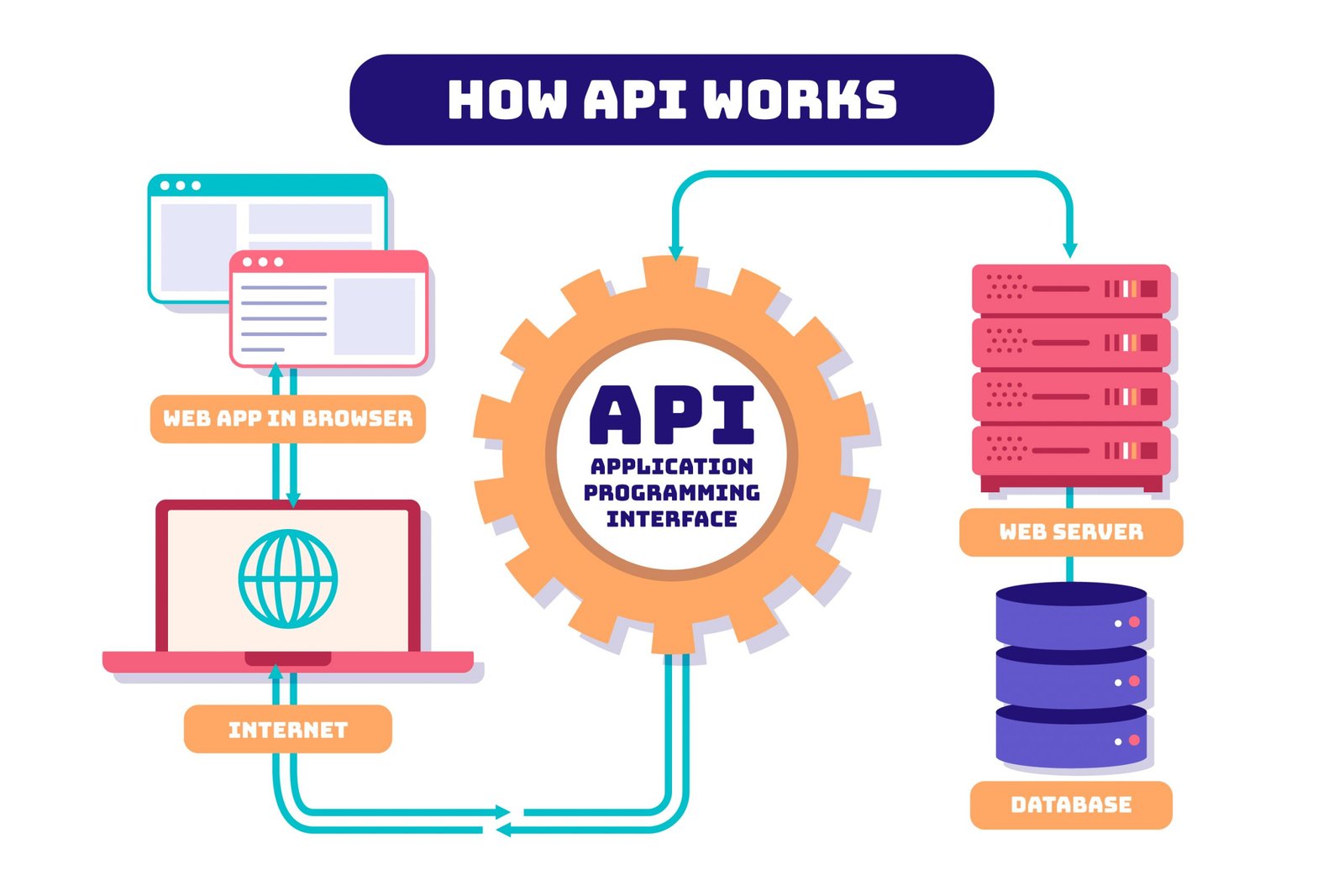
Modern software increasingly relies on APIs (Application Programming Interfaces).
APIs allow different applications to exchange information securely and automatically.
Strong API capabilities allow businesses to:
- Synchronize customer records
- Automate workflows
- Share inventory information
- Update financial systems
- Connect AI services
- Enable real-time reporting
When evaluating vendors, organizations now ask questions such as:
- Does the platform offer REST APIs?
- Are GraphQL APIs available?
- Are APIs well documented?
- Are rate limits reasonable?
- Does the vendor support webhooks?
- Is API versioning managed effectively?
The answers significantly influence purchasing decisions.
4. Cloud Adoption Has Increased Integration Complexity
Cloud adoption has transformed enterprise IT.
Organizations now use combinations of:
- SaaS applications
- Public cloud
- Private cloud
- Hybrid cloud
- Multi-cloud environments
Each environment introduces new integration requirements.
A vendor must demonstrate compatibility across multiple cloud providers while maintaining consistent performance and security.
Integration readiness helps organizations avoid vendor lock-in while supporting flexible cloud strategies.
5. Data Has Become a Strategic Asset
Business decisions increasingly depend on data.
However, data loses value when it exists in isolated systems.
Organizations need:
- Unified customer profiles
- Centralized reporting
- Real-time analytics
- AI-ready datasets
- Automated dashboards
Integration-ready vendors ensure that information flows continuously across systems.
The result includes:
- Better forecasting
- Faster reporting
- Improved customer experiences
- Higher operational efficiency
Business Benefits of Choosing Integration-Ready Vendors
Improved Operational Efficiency
Manual processes consume time and increase human error.
Integrated systems automatically:
- Transfer data
- Trigger workflows
- Generate reports
- Update records
- Notify stakeholders
Employees spend less time performing repetitive administrative work and more time on strategic initiatives.
Reduced IT Costs
Poor integration often leads to expensive custom development.
Organizations may need:
- Custom middleware
- Manual exports
- Data reconciliation
- Third-party consultants
- Ongoing maintenance
Integration-ready vendors reduce these expenses by providing standardized connectivity options.
Although such vendors may have higher initial licensing costs, they often produce significantly lower total cost of ownership.
Better User Experience
Employees dislike switching between disconnected systems.
Integrated platforms provide:
- Single sign-on
- Unified dashboards
- Shared customer information
- Consistent workflows
This improves employee productivity while reducing frustration.
Customers also benefit from faster response times and more personalized service.
Stronger Data Accuracy
Duplicate data creates confusion.
For example:
Sales updates one customer address.
Finance updates another.
Support references outdated information.
Without integration, conflicting records become common.
Integrated systems synchronize data automatically, ensuring every department works with accurate information.
Enhanced Automation
Automation depends on connected systems.
Examples include:
- Automatically generating invoices after completed sales
- Triggering customer onboarding workflows
- Creating support tickets
- Sending renewal reminders
- Updating inventory
- Scheduling follow-up communications
Integration-ready vendors make these automations significantly easier to implement.
Improved Scalability
Businesses rarely remain the same size.
Growth introduces:
- New departments
- Additional software
- International operations
- Acquisitions
- Higher transaction volumes
Integration-ready platforms scale more effectively because they are designed to connect with evolving business ecosystems.
Organizations avoid replacing systems every few years simply because integration limitations become barriers.
Key Features That Indicate Strong Integration Readiness
When evaluating vendors, businesses should look for these characteristics:
Comprehensive API Support
Robust APIs allow developers to build custom integrations quickly.
Look for:
- REST APIs
- GraphQL support
- SDKs
- Authentication options
- Webhooks
- API monitoring
- Rate limit transparency
Pre-Built Connectors
Leading vendors provide integrations with popular platforms such as:
- Salesforce
- Microsoft Dynamics
- SAP
- Oracle
- HubSpot
- Microsoft Teams
- Slack
- Shopify
- ServiceNow
- Workday
These connectors dramatically reduce implementation effort.
Industry Standard Compliance
Integration-ready platforms support standards such as:
- OAuth 2.0
- OpenID Connect
- SAML
- JSON
- XML
- HTTPS
- Webhooks
- OData
Standards improve interoperability while enhancing security.
Strong Documentation
Excellent documentation includes:
- API references
- Code samples
- Tutorials
- Integration guides
- Troubleshooting resources
- Developer portals
Documentation often determines how quickly integrations can be completed.
How Integration Readiness Influences Vendor Evaluation
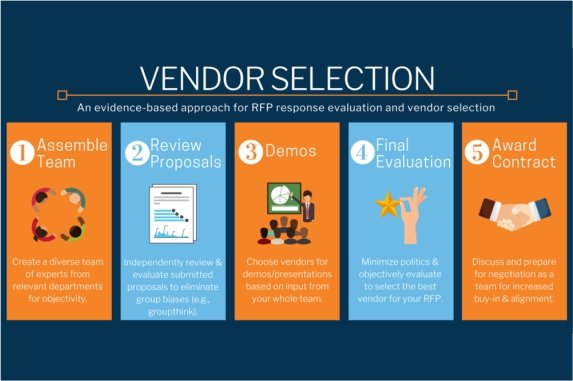
Modern procurement teams no longer evaluate vendors based solely on functionality or pricing. Instead, they assess how well a solution fits into their existing technology ecosystem. A feature-rich platform that cannot communicate with other business applications often creates more problems than it solves.
Today, vendor evaluation involves both business stakeholders and technical teams. Procurement professionals, IT architects, security experts, developers, and business unit leaders collaborate to determine whether a solution is integration-ready.
Some of the most common evaluation questions include:
- Does the solution integrate with our current technology stack?
- Are APIs well-documented and actively maintained?
- Does the vendor provide Software Development Kits (SDKs)?
- Are pre-built connectors available for our existing tools?
- Can integrations be configured without extensive coding?
- What authentication methods are supported?
- How quickly can new integrations be deployed?
- Does the vendor offer ongoing integration support?
The answers to these questions often determine whether a vendor makes the final shortlist.

Common Integration Challenges Organizations Face
Understanding the challenges of system integration helps explain why businesses increasingly prioritize integration readiness during vendor selection.
1. Legacy Systems
Many organizations still rely on older enterprise applications that were not designed for modern connectivity. Integrating these systems with cloud-native platforms can require custom middleware, APIs, or data transformation tools.
Vendors that provide flexible integration options help bridge the gap between legacy infrastructure and modern applications.
2. Data Silos
When departments use disconnected systems, valuable information becomes trapped in isolated databases.
For example:
- Marketing stores campaign data.
- Sales maintains customer records.
- Finance manages invoices.
- Customer support tracks service requests.
Without integration, teams lack a complete view of the customer journey. Integration-ready platforms synchronize information across departments, improving collaboration and decision-making.
3. Custom Development Costs
Organizations often underestimate the expense of building custom integrations. Beyond the initial development effort, custom code requires ongoing maintenance, testing, updates, and troubleshooting whenever connected systems change.
Choosing vendors with native integrations or standardized APIs significantly reduces long-term development costs.
4. Vendor Lock-In
Some vendors intentionally limit integration capabilities to keep customers within their proprietary ecosystem. This can make it difficult to adopt new technologies or switch providers in the future.
Integration-ready vendors embrace open standards, enabling organizations to maintain flexibility and avoid costly vendor lock-in.
5. Poor Documentation
Even a powerful API becomes difficult to use without clear documentation.
Missing examples, outdated references, and incomplete implementation guides can delay projects and increase development costs.
High-quality documentation is often a strong indicator of a vendor’s commitment to integration success.
Security and Compliance in Integration Readiness
Integration is not only about connectivity—it must also be secure.
Every connection between applications creates a potential entry point for cyber threats. Organizations therefore evaluate vendors based on their ability to maintain strong security throughout the integration process.
Important security considerations include:
Secure Authentication
Modern vendors should support secure authentication methods such as:
- OAuth 2.0
- OpenID Connect
- SAML
- Multi-factor authentication (MFA)
These standards help ensure that only authorized users and systems can access data.
Data Encryption
Information should be encrypted both:
- In transit
- At rest
Encryption protects sensitive business and customer data from unauthorized access.
Access Controls
Role-based access control (RBAC) enables organizations to define who can access specific systems, APIs, and datasets.
Granular permissions reduce security risks while supporting compliance requirements.
Compliance Support
Many organizations operate under industry regulations.
Integration-ready vendors often support compliance with standards such as:
- GDPR
- HIPAA
- SOC 2
- ISO 27001
- PCI DSS
Compliance-ready integrations reduce regulatory risk and simplify audits.
Integration Readiness Checklist for Vendor Selection
Organizations can use the following checklist during the procurement process.
Technical Capabilities
✔ Comprehensive REST API
✔ Webhooks support
✔ SDK availability
✔ GraphQL support (where applicable)
✔ API version management
✔ Cloud compatibility
✔ Event-driven architecture
Integration Options
✔ Pre-built connectors
✔ Marketplace integrations
✔ Third-party automation support
✔ Custom API development
✔ Middleware compatibility
✔ Data synchronization capabilities
Security
✔ OAuth 2.0
✔ SAML
✔ Encryption
✔ Role-based access control
✔ Audit logs
✔ Compliance certifications
Documentation
✔ API documentation
✔ Sample code
✔ Tutorials
✔ Developer portal
✔ Sandbox environment
✔ Integration guides
Vendor Support
✔ Dedicated integration specialists
✔ Technical support
✔ Community forums
✔ Knowledge base
✔ Service Level Agreements (SLAs)
✔ Regular API updates
Best Practices for Choosing Integration-Ready Vendors
Selecting the right vendor requires more than reviewing marketing materials. Organizations should validate integration capabilities through practical evaluation.
Conduct Integration Workshops
Invite technical stakeholders to review the vendor’s integration architecture.
These workshops help identify compatibility issues before implementation begins.
Request API Demonstrations
Rather than relying solely on documentation, ask vendors to demonstrate:
- API functionality
- Authentication
- Error handling
- Performance
- Monitoring tools
Live demonstrations provide greater confidence in the platform’s capabilities.
Test in a Sandbox Environment
A sandbox allows organizations to experiment with integrations before committing to production deployment.
Testing reveals potential challenges early, reducing implementation risks.
Review Existing Integrations
Examine the vendor’s integration marketplace.
The availability of connectors for widely used business applications indicates a mature integration ecosystem.
Evaluate Vendor Roadmaps
Technology evolves rapidly.
Organizations should understand how vendors plan to expand integration capabilities over time.
A strong product roadmap demonstrates long-term commitment to interoperability.
Real-World Examples of Integration Readiness
Customer Relationship Management (CRM)
A CRM platform becomes significantly more valuable when integrated with:
- Marketing automation
- Email platforms
- ERP systems
- Customer support software
- Analytics tools
Without integration, customer data becomes fragmented across departments.
E-Commerce
Modern online retailers depend on seamless integration between:
- Inventory management
- Payment gateways
- Shipping providers
- Customer support
- Accounting software
Integration ensures real-time inventory updates, faster order processing, and improved customer experiences.
Human Resources
HR platforms often integrate with:
- Payroll systems
- Identity management
- Learning management systems
- Recruitment software
- Benefits administration
Integrated HR ecosystems reduce administrative workload and improve employee experiences.
Healthcare
Healthcare providers require secure integration between:
- Electronic Health Records (EHR)
- Billing systems
- Appointment scheduling
- Laboratory systems
- Insurance platforms
Reliable integration improves patient care while supporting regulatory compliance.
The Role of Artificial Intelligence in Integration
Artificial intelligence is further increasing the importance of integration readiness.
AI models rely on high-quality, real-time data from multiple systems. Organizations implementing AI-powered analytics, predictive insights, or intelligent automation need seamless access to data across their technology stack.
Integration-ready vendors enable AI initiatives by:
- Providing structured APIs
- Supporting real-time data exchange
- Delivering clean, consistent datasets
- Enabling workflow automation
- Integrating with AI platforms and machine learning tools
As AI adoption grows, vendors with mature integration capabilities will have a significant competitive advantage.
Future Trends in Integration Readiness
The importance of integration readiness will continue to grow as organizations adopt more advanced technologies.
Emerging trends include:
- API-first product development
- Event-driven architectures
- Composable enterprise applications
- Low-code and no-code integrations
- AI-assisted integration development
- Increased use of Integration Platform as a Service (iPaaS)
- Greater focus on interoperability standards
- Real-time data streaming
- Zero-trust security for APIs
- Intelligent workflow automation
Organizations that prioritize integration-ready vendors today will be better positioned to adapt to these future developments.
Conclusion
Integration readiness has become a defining factor in vendor selection because modern businesses depend on connected systems rather than isolated applications. A vendor’s ability to integrate seamlessly with existing technologies directly impacts implementation speed, operational efficiency, data quality, security, scalability, and long-term return on investment.
Organizations that prioritize integration-ready vendors can accelerate digital transformation, reduce IT complexity, automate critical workflows, and build a more agile technology ecosystem. Conversely, choosing solutions with limited integration capabilities often results in costly custom development, fragmented data, operational inefficiencies, and restricted future growth.
As cloud computing, artificial intelligence, automation, and data-driven decision-making continue to reshape industries, integration readiness will remain one of the most important criteria for evaluating technology partners. Businesses that make interoperability a core component of their procurement strategy will be better equipped to innovate, respond to market changes, and deliver exceptional customer experiences.