Business intelligence is entering a new era. For years, organizations have relied on dashboards, reports, and historical data to understand performance and monitor key metrics. These tools have helped businesses identify trends, track progress, and make informed decisions. However, as markets become more competitive and data volumes continue to grow, traditional reporting alone is no longer enough.
Today, businesses need more than visibility into what has already happened. They need actionable insights that explain why events occur, predict what might happen next, and recommend the best course of action. This shift is driving the evolution of business intelligence from traditional dashboards toward decision intelligence.
By combining analytics, artificial intelligence (AI), machine learning, automation, and business context, decision intelligence helps organizations transform data into measurable business outcomes. It represents a fundamental change in how companies use information to plan strategies, manage risks, improve operations, and achieve sustainable growth.
Understanding this transformation is essential for businesses looking to build a data-driven culture and gain a competitive advantage in an increasingly digital economy.
What Is Business Intelligence, and How Has It Evolved?
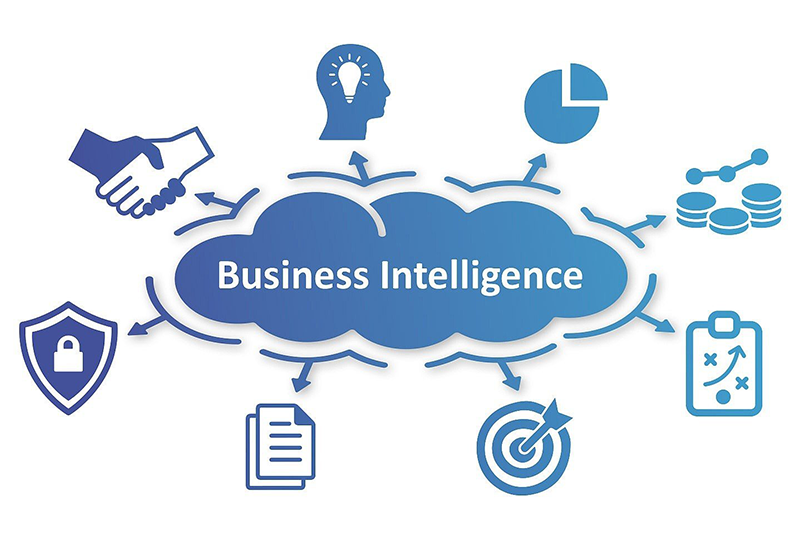
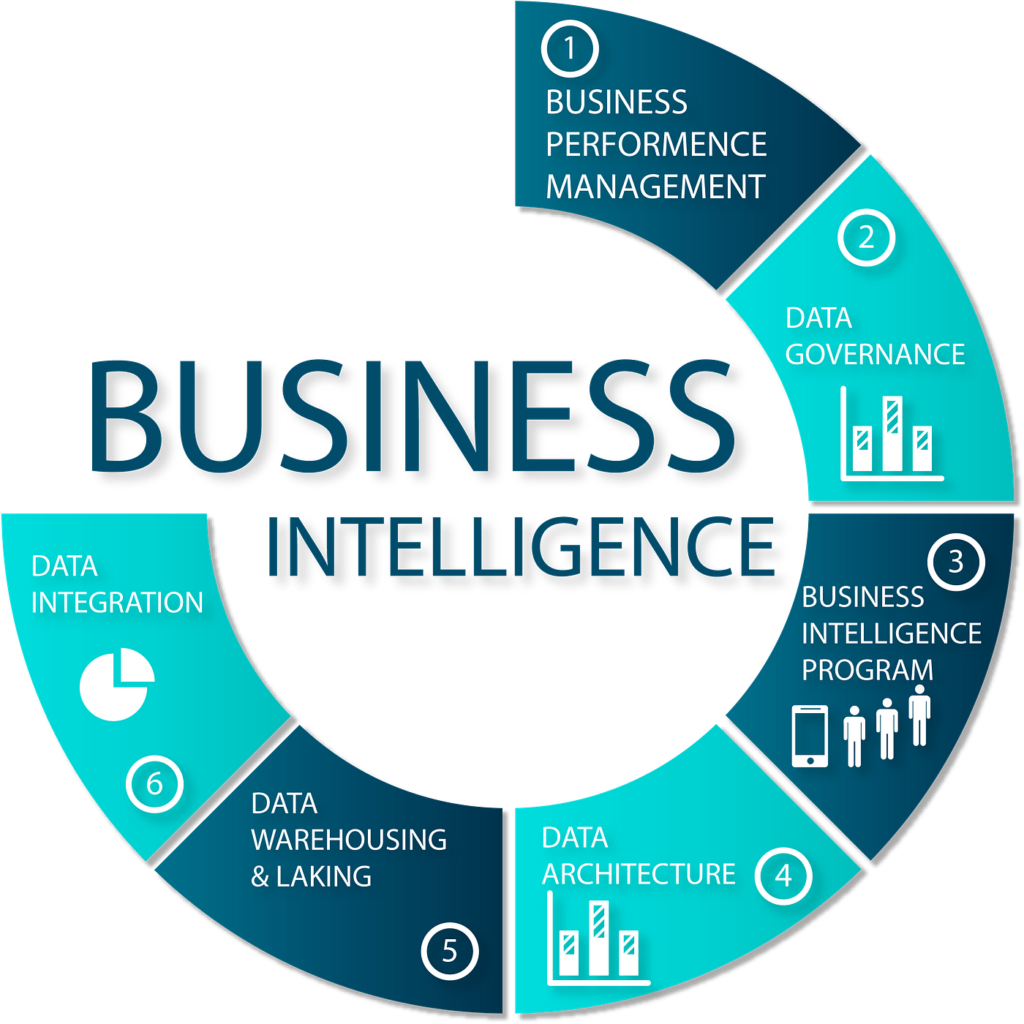
Business intelligence refers to the technologies, processes, and practices organizations use to collect, integrate, analyze, and present business data. Its primary purpose is to help decision-makers understand performance and make informed choices based on reliable information.
Traditional business intelligence systems focus on reporting and visualization. They gather data from sources such as customer relationship management (CRM) platforms, enterprise resource planning (ERP) systems, financial software, and marketing applications. The information is then organized into reports, charts, and dashboards.
These capabilities remain valuable, but modern business requirements have changed.
Businesses now operate in environments where customer expectations shift quickly, supply chains face uncertainty, and competitors respond rapidly to market developments. Decision-makers cannot always wait for scheduled reports or manually interpret multiple dashboards before taking action.
Consequently, business intelligence is evolving toward a more proactive and intelligent approach. Modern platforms increasingly incorporate predictive analytics, natural language querying, automated insights, and AI-assisted recommendations.
The goal is no longer simply to present information. It is to help businesses understand their options, evaluate potential outcomes, and determine what action is most likely to deliver the desired result.
Why Traditional BI Dashboards Are No Longer Enough
Dashboards have played a central role in business intelligence by making complex information easier to understand. They allow users to monitor key performance indicators (KPIs), compare results, and identify unusual patterns.
However, dashboards typically depend on users knowing which questions to ask and how to interpret the answers. This creates several limitations.
First, dashboards are often reactive. They usually explain past or current performance rather than identifying future risks or recommending preventive action.
Second, insights can remain disconnected. A sales dashboard may reveal declining revenue, while a marketing dashboard shows rising acquisition costs. Without connecting these signals, decision-makers may struggle to understand the underlying business problem.
Third, manual analysis slows decision-making. Employees may spend significant time filtering reports, reconciling inconsistent datasets, and preparing presentations instead of acting on insights.
Finally, information does not automatically produce action. Even when a dashboard identifies a problem, organizations still need to determine the appropriate response, evaluate its potential impact, and assign responsibility for implementation.
These limitations do not make dashboards obsolete. Instead, they highlight the need for business intelligence solutions that connect reporting with prediction, recommendations, and operational execution.
What Is Decision Intelligence?
Decision intelligence is an approach that combines data analytics, artificial intelligence, business rules, decision science, and organizational knowledge to improve decision-making.
Rather than stopping at insights, decision intelligence examines the complete decision-making process. It considers the business objective, available evidence, possible actions, expected outcomes, and feedback generated after implementation.
For example, a traditional business intelligence dashboard might show that customer churn has increased by 12% over the previous quarter.
A decision intelligence system could go further by identifying the customer segments most likely to leave, analyzing contributing factors, estimating the financial impact, and recommending targeted retention campaigns.
It might also help the business compare alternative strategies, such as personalized offers, improved customer support, or changes to subscription plans.
The result is a more connected process in which data informs decisions and decisions lead to measurable action.
Decision intelligence does not eliminate human judgment. Instead, it helps employees make better-informed choices by providing relevant evidence, transparent recommendations, and a clearer understanding of potential consequences.
How AI Is Transforming Business Intelligence
Artificial intelligence is one of the most important drivers of modern business intelligence. AI-powered capabilities enable organizations to analyze larger datasets, identify complex patterns, and make insights accessible to more users.
Several developments are accelerating this transformation.
Predictive analytics: Machine learning models can use historical and current data to estimate future outcomes, including sales demand, customer churn, inventory requirements, and potential operational disruptions.
Natural language analytics: Employees can ask questions in everyday language, such as, “Why did sales decline this month?” Depending on the platform and available data, the system can generate relevant analyses without requiring users to write complex queries.
Automated insights: AI can identify unusual changes, emerging trends, and relationships across datasets, helping teams investigate important developments more efficiently.
Prescriptive analytics: Advanced systems can evaluate different courses of action and recommend options based on business objectives, constraints, and predicted outcomes.
AI-assisted workflows: Insights can increasingly connect with business applications to support tasks such as prioritizing sales leads, adjusting inventory plans, or flagging customer accounts that need attention.
Nevertheless, AI-generated insights require appropriate oversight. Data quality, model reliability, privacy, explain-ability, and human review remain essential to responsible implementation.
Key Benefits of Moving From Dashboards to Decision Intelligence
The transition from traditional reporting to decision intelligence can create value across departments and business functions.
Faster and More Confident Decision-Making
Decision-makers can access relevant insights, evaluate alternatives, and respond to changing conditions without relying exclusively on manual reporting. Faster access to evidence can improve responsiveness while reducing unnecessary delays.
Improved Operational Efficiency
Automated data preparation, anomaly detection, and analytical workflows can reduce repetitive tasks. Teams can redirect more time toward strategic planning, problem-solving, and execution.
Better Customer Experiences
By combining customer behavior, transaction history, feedback, and engagement data, organizations can identify customer needs more accurately. These insights can support personalized experiences, proactive service, and more effective retention strategies.
Stronger Risk Management
Predictive models and real-time monitoring can help organizations identify potential financial, operational, and supply chain risks earlier. Decision-makers can evaluate possible responses before problems become more costly.
Greater Business Agility
Decision intelligence connects business objectives with current performance and potential actions. This helps organizations adapt strategies when customer preferences, market conditions, or operational priorities change.
The actual benefits depend on data maturity, implementation quality, employee adoption, and the relevance of the decisions being supported.
Practical Applications Across Business Functions
Decision intelligence can support a wide range of business activities.
Sales and marketing: Businesses can forecast demand, prioritize leads, evaluate campaign performance, and identify opportunities to improve conversion rates.
Finance: Finance teams can improve cash flow forecasting, detect unusual transactions, assess financial exposure, and compare potential budget scenarios.
Supply chain and operations: Organizations can anticipate inventory shortages, optimize replenishment decisions, and identify operational bottlenecks.
Human resources: Workforce analytics can help identify recruitment challenges, evaluate retention patterns, and support workforce planning while maintaining appropriate employee privacy protections.
Customer service: Businesses can identify recurring customer complaints, predict service demand, and prioritize cases that require immediate attention.
Across these functions, the common objective is to connect reliable data with decisions that support specific business outcomes.
How to Transition From Traditional BI to Decision Intelligence
Moving toward decision intelligence requires more than adopting a new analytics platform. Organizations need a structured approach that connects technology, people, data, and business strategy.
1. Define the Decisions That Matter Most
Begin by identifying high-value decisions that influence revenue, profitability, customer satisfaction, or operational performance. Examples include pricing adjustments, inventory planning, customer retention, and resource allocation.
2. Build a Reliable Data Foundation
Decision intelligence depends on accurate, accessible, and consistent information. Organizations should establish clear data ownership, quality standards, integration processes, and appropriate access controls.
3. Connect Analytics to Business Goals
Every analytical initiative should support a defined objective. Instead of measuring success through dashboard usage alone, evaluate outcomes such as reduced churn, improved forecast accuracy, lower operating costs, or faster decision cycles.
4. Introduce AI Where It Adds Measurable Value
Start with focused use cases where predictive analytics, automated insights, or recommendations can improve an existing process. Test performance against established benchmarks before expanding implementation.
5. Keep Humans Involved
Not every decision should be automated. High-impact financial, legal, workforce, and customer decisions may require human review, clear accountability, and explanations of how recommendations were generated.
6. Measure, Learn, and Improve
Monitor both decision quality and business outcomes. Use feedback from actual results to refine models, improve workflows, and identify where recommendations need adjustment.
A phased implementation helps organizations demonstrate value while managing technical complexity and organizational change.
Challenges Businesses Must Address
Although decision intelligence offers significant opportunities, implementation comes with challenges.
Poor data quality can produce misleading recommendations. Disconnected systems can prevent teams from developing a consistent view of business performance. Employees may also resist new tools if they do not understand how the technology supports their work.
AI introduces additional considerations, including algorithmic bias, model drift, data privacy, security, and limited explain ability. Organizations must establish governance policies that define acceptable data usage, decision authority, monitoring requirements, and escalation procedures.
Another important challenge is measuring return on investment. Not every improved insight immediately translates into higher revenue or lower costs. Businesses should establish baseline measurements and evaluate results over an appropriate period.
Addressing these challenges early helps organizations build trust in their analytics capabilities and use decision intelligence responsibly.
The Future of Business Intelligence
The future of business intelligence will likely be shaped by more accessible AI, real-time analytics, automated workflows, and increasingly integrated decision support.
Traditional dashboards will continue to serve an important purpose by communicating performance and maintaining visibility into business operations. However, they will increasingly operate alongside conversational analytics, predictive models, recommendation engines, and systems that support decisions within everyday workflows.
Another emerging direction is the use of AI agents to assist with multi-step analytical tasks. Depending on their capabilities and permissions, these systems may gather relevant information, investigate anomalies, compare scenarios, and prepare recommendations for human approval.
Businesses will also place greater emphasis on decision governance. As analytical systems become more influential, organizations will need to understand not only what a system recommends but also why it recommends an action, what assumptions it uses, and how its performance is evaluated.
Ultimately, the most effective business intelligence strategies will combine advanced technology with human expertise, reliable data, and clearly defined business objectives.
Conclusion
The evolution of business intelligence from dashboards to decision intelligence represents a fundamental shift in how organizations use data. Traditional dashboards help businesses understand performance, while decision intelligence extends that capability by connecting insights with predictions, recommendations, and actionable decisions.
By integrating AI, predictive analytics, business context, and human judgment, organizations can improve decision speed, strengthen risk management, optimize operations, and respond more effectively to changing market conditions.
However, successful adoption requires more than technology. Businesses must invest in data quality, governance, employee capabilities, and measurable business outcomes.
As organizations continue to generate and process increasing amounts of information, the real competitive advantage will not come from collecting more data alone. It will come from turning that data into better decisions and consistently translating those decisions into meaningful results.
In the new era of business intelligence, the goal is no longer just to see what is happening. It is to understand what matters, determine what to do next, and act with confidence.