Choosing the right vendor is an important part of running a successful business. Companies need suppliers that offer fair prices, reliable products, consistent service and dependable delivery. However, comparing multiple vendors can be time-consuming when information is spread across emails, spreadsheets, websites and internal systems.
This is where AI procurement is making a difference. By using artificial intelligence to collect information, compare suppliers and identify potential risks, businesses can make vendor selection faster and more informed.
Traditional procurement often relies on manual research, personal experience and lengthy approval processes. While these methods can work, they may make it difficult to compare suppliers consistently or respond quickly to changing business needs.
Intelligent procurement platforms help address these challenges by bringing supplier information together and helping teams evaluate their options. They can also reduce repetitive work, improve visibility into costs and support better communication between procurement teams and suppliers.
As businesses look for more efficient ways to manage purchasing, AI procurement is becoming a useful tool for improving B2B vendor selection. Understanding how these platforms work can help companies make better purchasing decisions while maintaining control over cost, quality and supplier relationships.
What Is AI Procurement?
AI procurement is the use of artificial intelligence to support purchasing activities such as finding suppliers, comparing quotes, reviewing supplier performance and identifying potential risks.
These systems use business data, automated processes and AI models to help procurement teams complete tasks that would otherwise require considerable manual effort.
For example, a company looking for a packaging supplier may receive quotes from ten different vendors. Each quote could include different prices, delivery schedules, payment terms and minimum order quantities.
Reviewing these details manually can be challenging. An AI procurement platform can help organize the information, highlight differences and identify suppliers that meet the company’s requirements.
Some platforms also use past purchasing records to identify price changes, estimate future demand and flag suppliers with a history of late deliveries.
AI does not replace the need for procurement professionals. Instead, it helps them spend less time gathering information and more time evaluating suppliers, negotiating terms and building long-term business relationships.
Why B2B Vendor Selection Needs a Smarter Approach
B2B purchasing decisions often involve higher costs, longer contracts and greater business risks than everyday consumer purchases. Selecting an unsuitable supplier can affect production schedules, customer satisfaction and overall profitability.
Several challenges make vendor selection difficult.
Too much information: Procurement teams may need to review supplier websites, product specifications, quotations, contracts and performance records before making a decision.
Difficult comparisons: Vendors may present prices and terms differently, making it hard to compare their offers fairly.
Limited visibility into supplier risks: A supplier may offer an attractive price but have delivery problems, inconsistent quality or weak security practices.
Time-consuming approvals: Multiple departments may need to review a purchase before a final decision can be made.
Changing business needs: Prices, demand and delivery requirements can change quickly, making outdated supplier information less useful.
AI procurement platforms help address these issues by organizing information, automating routine checks and providing a clearer view of available suppliers.
How AI Procurement Platforms Improve Vendor Selection
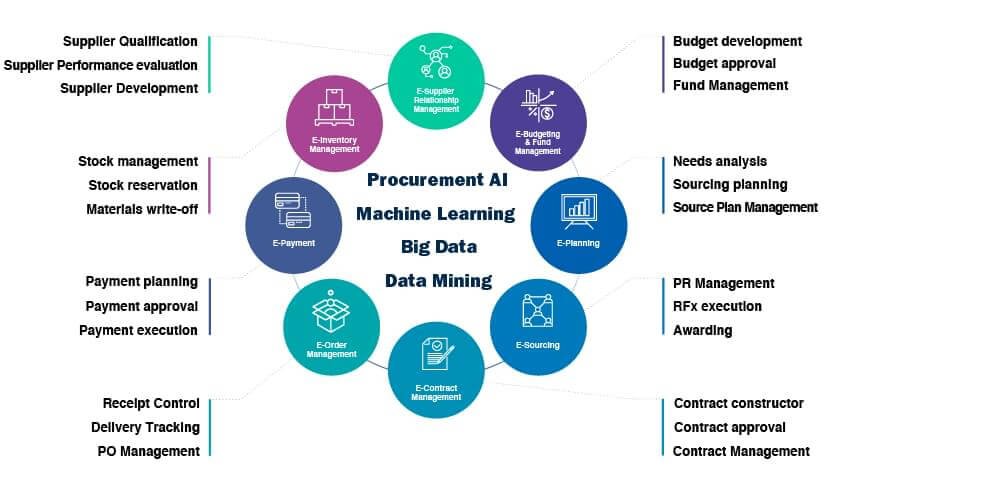
Intelligent procurement platforms can support several stages of the supplier selection process. Their capabilities vary by provider, but the following applications are becoming increasingly useful.
1. Finding Suitable Suppliers
Finding vendors that meet specific business requirements is often the first challenge.
AI-powered procurement tools can help search supplier databases, review available company information and identify vendors that match requirements such as product type, location, capacity or certifications.
For example, a manufacturer looking for an electronic components supplier may need a vendor that meets certain technical standards and can deliver within a specific period.
An AI platform can help narrow the list to suppliers that appear to meet these conditions. Procurement teams can then verify the information and contact the most suitable candidates.
This reduces the time spent searching and allows buyers to focus on vendors that are more likely to meet their needs.
2. Comparing Supplier Quotes
Price is an important factor in B2B purchasing, but the lowest quote does not always offer the best value.
Different suppliers may charge different rates for similar products while offering different payment terms, delivery schedules or service levels.
AI procurement platforms can organize these details into a consistent format. This makes it easier to compare quotes and understand the full cost of each offer.
For instance, one supplier may charge less for a product but require a large minimum order. Another may charge slightly more while offering faster delivery and more flexible payment terms.
By highlighting these differences, AI helps buyers make decisions based on the overall offer rather than price alone.
3. Assessing Supplier Risks
Selecting a vendor also means understanding the risks involved in working with that company.
Depending on the data available, AI tools can help identify warning signs such as repeated delivery delays, unusual price changes, incomplete documentation or declining supplier performance.
Some platforms can also support reviews of financial information, regulatory records and cybersecurity requirements.
These checks help procurement teams identify issues that deserve further investigation before signing a contract.
However, AI findings should be treated as a starting point rather than proof of wrongdoing. Important information must be verified through reliable records and direct communication with suppliers.
4. Reducing Manual Work
Procurement teams often spend significant time entering information, organizing documents and following up on approvals.
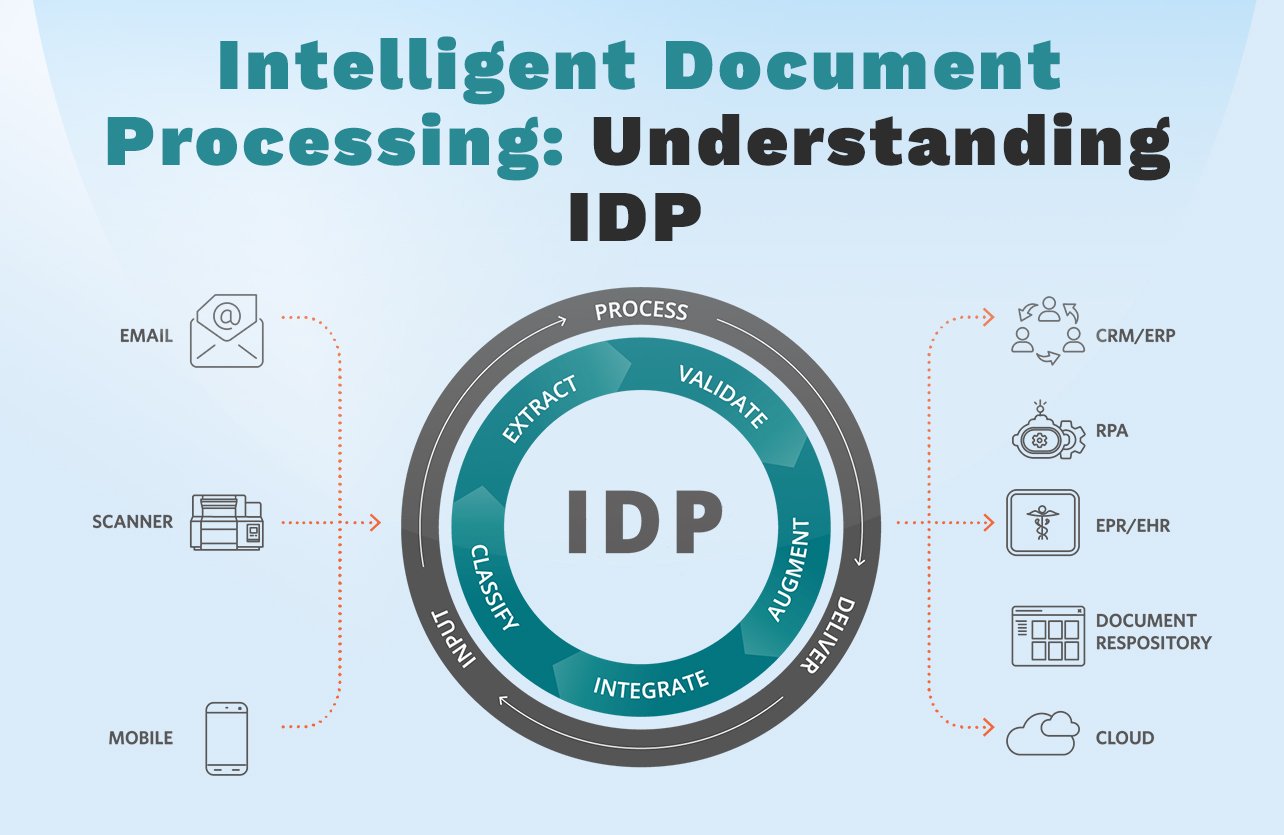
AI-enabled platforms can automate parts of these processes. For example, they may extract information from quotations, classify purchase requests and route documents to the appropriate reviewers.
This reduces repetitive tasks and helps teams process purchasing requests more efficiently.
Automation also makes it easier to maintain consistent records, provided the system is configured correctly and employees review important information.
5. Supporting Better Purchasing Decisions
AI can bring together information about price, quality, delivery performance and supplier reliability to help buyers evaluate their options.
Instead of reviewing each factor separately, procurement teams can use a common set of criteria to compare vendors.
For example, a business may give greater importance to delivery reliability when purchasing components needed for time-sensitive production. For office supplies, price and availability may matter more.
By applying criteria that reflect the business’s actual needs, AI procurement platforms can help teams make more consistent decisions.
The final choice should still consider factors that may be difficult to measure, including communication quality, service flexibility and the potential for a long-term partnership.
The Benefits of AI Procurement for B2B Businesses
Adopting AI procurement can improve several areas of purchasing when the technology is supported by reliable data and clear processes.
Faster vendor selection: Automated research and quote comparisons help teams evaluate suppliers in less time.
Better cost control: Comparing prices, fees and purchasing terms can help businesses identify better-value offers and avoid unnecessary spending.
More consistent evaluations: Standard criteria make it easier to assess suppliers fairly and explain why a particular vendor was selected.
Improved supplier visibility: Centralized information gives procurement teams a clearer view of supplier performance, documentation and purchasing history.
Greater team productivity: Reducing repetitive work allows employees to focus on negotiation, planning and supplier relationships.
More informed decisions: Bringing several types of information together helps businesses consider cost, quality and delivery requirements before committing to a supplier.
The results will depend on the quality of the information available, how well the platform fits existing workflows and whether employees use its recommendations appropriately.
How Different Industries Can Use AI Procurement
AI procurement can support vendor selection across industries with different purchasing needs.
Manufacturing
Manufacturers can use intelligent platforms to compare raw material suppliers, review delivery records and identify potential supply shortages. This can help reduce production delays and improve purchasing plans.
Healthcare
Healthcare organizations can use procurement tools to organize supplier information, compare equipment quotations and check whether vendors meet required purchasing standards. Product safety and regulatory requirements must remain central to every decision.
Retail and E-commerce
Retailers can use AI to compare product suppliers, review order histories and estimate purchasing needs based on demand. This can support inventory planning and reduce the risk of excess stock or shortages.
Information Technology
IT teams can use AI procurement platforms to compare software providers, review contract terms and organize information about security requirements. Human review remains essential when assessing data protection and system access.
Construction
Construction companies can use intelligent procurement tools to compare material prices, assess supplier availability and review delivery schedules. This helps project teams coordinate purchasing with construction timelines.
Across these industries, the main advantage is the ability to evaluate suppliers using relevant information instead of relying entirely on manual research.
How to Implement AI Procurement Successfully
Introducing AI procurement requires careful planning. Businesses should start with clear purchasing goals and choose tools that address their most pressing challenges.
Identify the Main Procurement Challenges
Determine which activities take the most time or create the greatest risks. These may include supplier research, quotation analysis, document checks or approval delays.
Starting with a specific problem makes it easier to evaluate whether AI can deliver practical value.
Set Clear Vendor Evaluation Criteria
Decide which factors matter most when choosing a supplier. Common criteria include price, quality, delivery time, payment terms, service and compliance with business requirements.
Clear criteria help ensure that AI recommendations support actual purchasing needs.
Check Data Quality
AI systems rely on the information they receive. Incomplete supplier records, outdated prices and inconsistent product descriptions can lead to poor recommendations.
Businesses should maintain accurate records and establish processes for updating supplier information.
Choose a Platform That Fits Existing Systems
The selected platform should work with the company’s purchasing processes and, where necessary, connect with existing finance, inventory or enterprise systems.
A tool that fits naturally into daily work is more likely to be adopted by employees.
Keep Human Review in the Process
AI can help organize information and suggest suitable vendors, but people should review important decisions. This is especially important for large contracts, sensitive data, critical supplies and purchases involving significant financial or legal risks.
Measure the Results
Track improvements in supplier selection time, purchasing costs, delivery performance and employee workload. These measures help determine whether the platform is producing meaningful benefits.
Challenges Businesses Should Consider
Despite its advantages, AI procurement comes with challenges that businesses need to manage.
One concern is inaccurate information. AI tools may misunderstand documents, use outdated data or generate incorrect conclusions. Important supplier details should therefore be checked before they influence a purchasing decision.
Data security is another consideration. Procurement records may contain confidential prices, contracts and supplier information. Businesses should understand how a platform stores, processes and protects this data.
Bias can also affect supplier recommendations. If a system relies too heavily on historical purchasing patterns, it may repeatedly favor existing vendors and overlook suitable alternatives. Regular reviews can help reduce this risk.
Finally, employees need training to use AI tools effectively. Procurement professionals should understand the platform’s limitations, know when to question its recommendations and remain responsible for the final decision.
Addressing these challenges helps businesses use AI in a practical and responsible way.
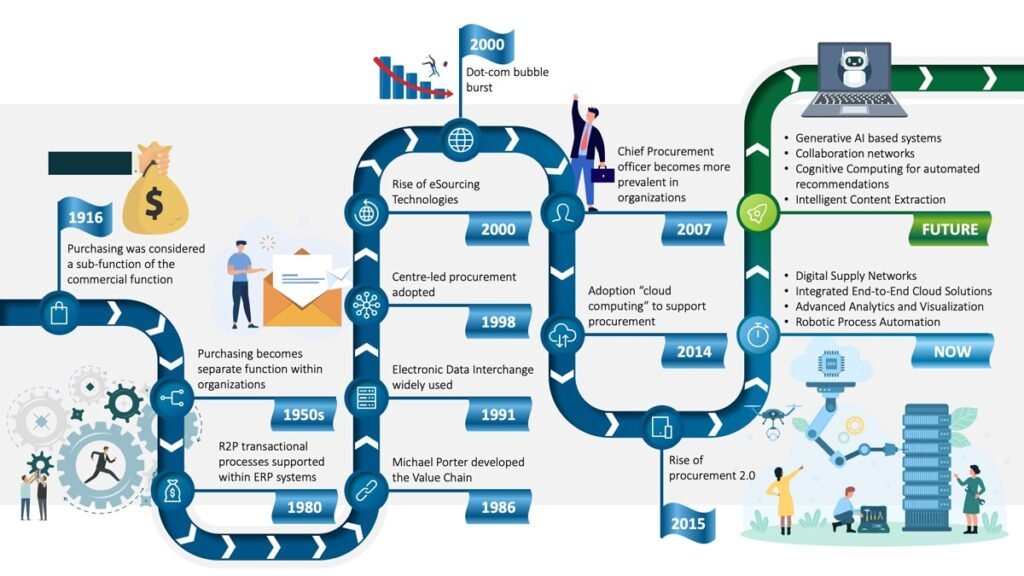
The Future of AI Procurement
AI procurement is moving beyond simple automation toward more connected purchasing processes.
Future platforms are likely to offer better supplier matching, more detailed cost comparisons and earlier warnings about potential supply problems. Natural language tools may also make it easier for employees to ask questions about suppliers without navigating complex reports.
For example, a procurement manager may be able to ask which approved suppliers meet a particular delivery deadline and budget. The platform could then organize relevant information and present a shortlist for review.
Some systems may also support more connected workflows, from identifying a purchasing need to gathering quotations and preparing approval documents.
However, better technology alone will not guarantee better purchasing decisions. Reliable data, transparent evaluation criteria and strong supplier relationships will continue to matter.
Businesses that combine intelligent tools with sound procurement practices will be better positioned to control costs, manage risks and respond to changing supply needs.
Conclusion
AI procurement is changing how businesses find, compare and select B2B vendors. By helping teams organize supplier information, analyze quotations and identify potential risks, intelligent platforms make purchasing more efficient and consistent.
The greatest value comes from using AI to support better decisions rather than simply automating existing tasks. Businesses still need clear purchasing goals, reliable data and human oversight to ensure that supplier choices meet their requirements.
As procurement processes become more data-driven, companies that adopt AI thoughtfully can improve cost control, reduce manual work and build stronger supplier relationships.
Ultimately, successful B2B vendor selection is not just about finding the cheapest supplier. It is about choosing the right partner for the business’s needs, budget and long-term goals. AI procurement can help make that decision clearer, faster and more informed.