Introduction
In today’s highly competitive business environment, procurement has evolved far beyond simply purchasing goods and services at the lowest possible price. Modern procurement teams are expected to deliver measurable value by reducing costs, managing supplier risks, ensuring compliance, improving supplier relationships, and supporting long-term business objectives. One of the most effective tools helping procurement professionals achieve these goals is benchmarking data.
Benchmarking data provides procurement teams with factual insights into pricing trends, supplier performance, market standards, contract terms, and purchasing best practices. Rather than entering supplier negotiations based on assumptions or outdated information, procurement professionals can leverage real-world market intelligence to negotiate from a position of strength.
Companies across industries are increasingly relying on procurement benchmarking because it enables them to understand whether they are paying competitive prices, receiving fair contract terms, and working with high-performing suppliers. Benchmarking removes much of the guesswork from negotiations, allowing procurement teams to make informed decisions backed by credible data.
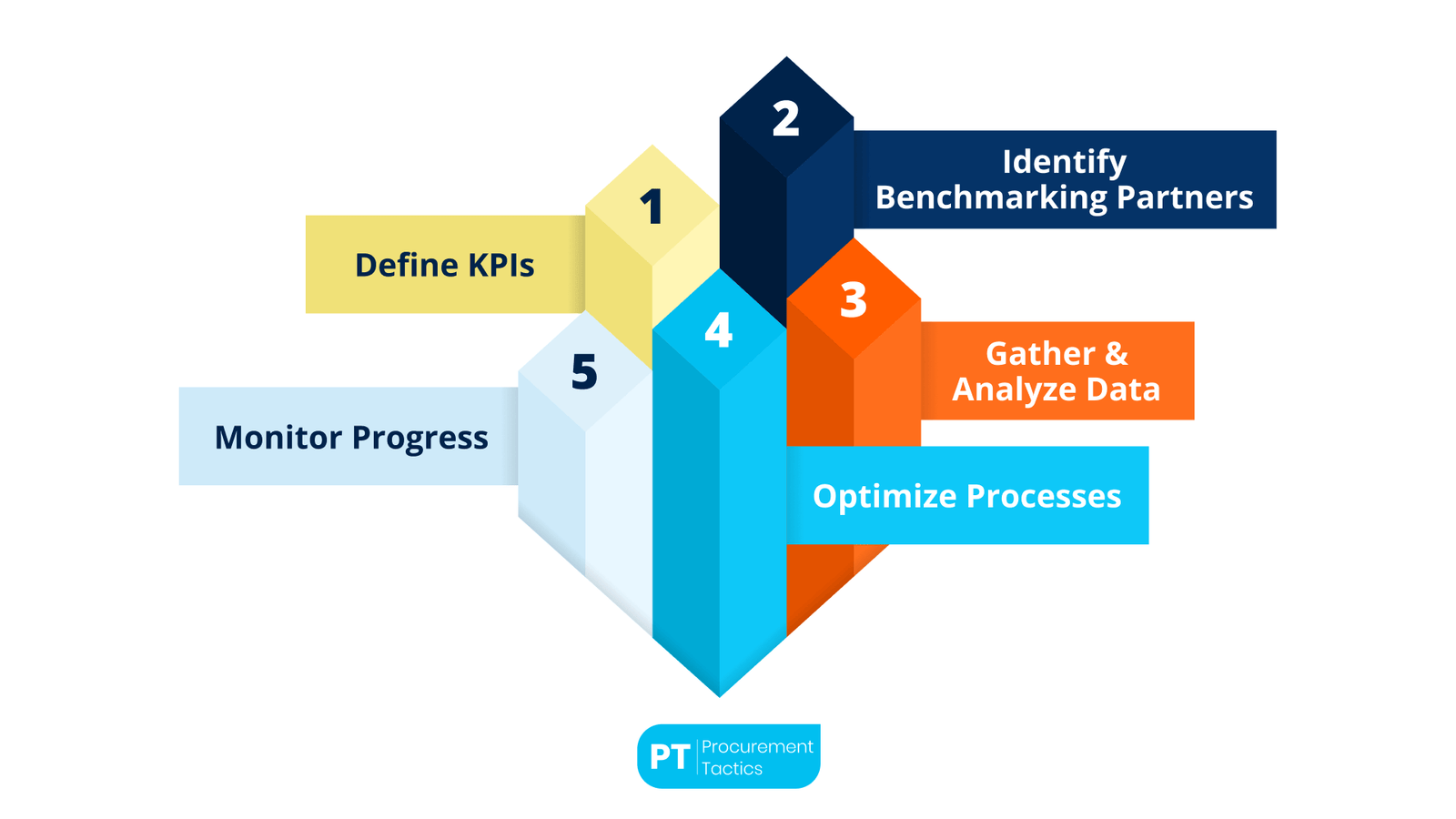
This article explores how procurement teams use benchmarking data to negotiate better deals, the different types of benchmarking available, its benefits, implementation strategies, common challenges, and best practices for maximizing negotiation success.
What Is Procurement Benchmarking?
Procurement benchmarking is the process of comparing an organization’s purchasing performance, supplier pricing, procurement processes, and contract terms against internal historical data, industry standards, or peer organizations.
The objective is simple:
- Identify improvement opportunities
- Understand market pricing
- Evaluate supplier competitiveness
- Improve negotiation outcomes
- Reduce procurement costs
Benchmarking helps organizations determine whether they are receiving competitive pricing compared to similar companies purchasing the same products or services.
Instead of relying on supplier claims like:
“This is our best price.”
Procurement teams can respond with data such as:
“Companies in our industry purchasing similar volumes are paying 12% less.”
That completely changes the dynamics of the negotiation.
Why Benchmarking Matters in Procurement Negotiations
Negotiation success depends largely on information.
The supplier usually knows:
- Their production costs
- Competitor pricing
- Market demand
- Profit margins
- Customer buying behavior
Without benchmarking, buyers often possess significantly less market knowledge.
Benchmarking closes this information gap by giving procurement teams visibility into:
- Market price ranges
- Average contract lengths
- Typical payment terms
- Industry discounts
- Supplier performance metrics
- Inflation impacts
- Commodity trends
This information strengthens procurement’s bargaining position.
Types of Benchmarking Data Used in Procurement
Procurement professionals rely on several types of benchmarking data during negotiations.
1. Price Benchmarking
Price benchmarking compares current supplier prices with:
- Industry averages
- Historical purchases
- Competitor pricing
- Regional pricing
- Global market rates
Example:
A company purchasing steel components discovers through benchmarking that competitors pay 8% less for similar-grade materials.
Armed with this information, procurement requests revised pricing based on market standards.
2. Supplier Performance Benchmarking
Not all suppliers perform equally.
Performance benchmarking evaluates suppliers using metrics such as:
- On-time delivery
- Product quality
- Defect rates
- Customer service
- Lead times
- Contract compliance
- Responsiveness
Negotiators can use this information to justify pricing adjustments or request service improvements.
3. Contract Benchmarking
Procurement compares existing contracts against industry norms.
Common benchmarking areas include:
- Contract duration
- Price escalation clauses
- Renewal terms
- Service-level agreements (SLAs)
- Warranty periods
- Liability limits
- Termination rights
If competitors receive more favorable contract conditions, procurement has evidence to negotiate similar terms.
4. Process Benchmarking
This compares procurement operations such as:
- Purchase approval cycles
- Supplier onboarding
- Invoice processing
- Purchase order accuracy
- Procurement automation
Improved procurement efficiency often increases negotiating leverage because suppliers prefer working with efficient customers.
5. Spend Benchmarking
Spend benchmarking analyzes organizational purchasing patterns.
It answers questions like:
- Are we buying too frequently?
- Can purchases be consolidated?
- Are we missing volume discounts?
- Which categories consume the most budget?
This enables procurement teams to negotiate larger contracts with better pricing.
How Benchmarking Data Improves Supplier Negotiations
Benchmarking influences almost every stage of supplier negotiations.
1. Establishes Market Pricing
The biggest advantage is knowing the market value before discussions begin.
Instead of asking:
“What discount can you offer?”
Procurement can confidently state:
“Current market pricing for this category averages $95 per unit, while our current contract is $108.”
This shifts negotiations from opinions to facts.
2. Creates Stronger Negotiation Leverage
Data reduces supplier negotiation advantages.
Suppliers cannot easily justify excessive pricing when buyers possess reliable market intelligence.
Benchmarking provides objective evidence that supports procurement requests.
3. Eliminates Emotional Decision-Making
Negotiations sometimes become emotional or relationship-driven.
Benchmarking keeps discussions objective.
Instead of relying on intuition, procurement teams use measurable evidence to support decisions.
This leads to:
- Fair pricing
- Better supplier accountability
- Transparent negotiations
4. Supports Volume Discount Negotiations
Benchmarking identifies purchasing volumes where organizations typically receive discounts.
For example:
| Annual Spend | Typical Discount |
|---|---|
| $50,000 | 2% |
| $100,000 | 5% |
| $250,000 | 8% |
| $500,000 | 12% |
Procurement can restructure purchasing strategies to qualify for better pricing.
5. Identifies Hidden Cost Opportunities
Suppliers often compete on price while adding costs elsewhere.
Benchmarking highlights hidden expenses including:
- Shipping charges
- Packaging fees
- Maintenance costs
- Software licensing
- Training expenses
- Installation fees
Negotiators can reduce total cost of ownership instead of focusing only on purchase price.
Using Benchmarking Data Throughout the Procurement Process
Before Negotiations
Procurement teams gather:
- Historical purchasing data
- Market research
- Competitor pricing
- Commodity indexes
- Supplier performance reports
This preparation helps define negotiation objectives.
During Negotiations
Benchmarking supports discussions by providing:
- Comparable market prices
- Industry standards
- Supplier scorecards
- Alternative supplier comparisons
- Contract benchmarks
Negotiators reference these insights to justify requests.
After Negotiations
Benchmarking doesn’t stop once contracts are signed.
Teams continue monitoring:
- Supplier performance
- Cost savings
- Contract compliance
- Market price changes
This ensures negotiated benefits continue over time.
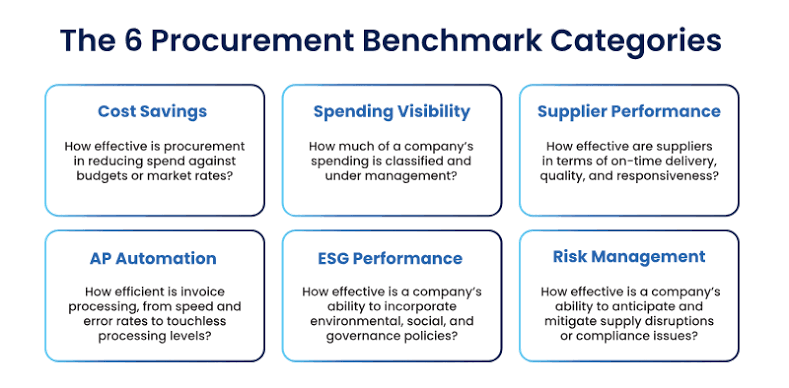
Key Sources of Procurement Benchmarking Data
Procurement teams gather benchmarking information from various sources.
Internal Data
Organizations already possess valuable benchmarking information, including:
- Previous purchase orders
- Historical pricing
- Supplier evaluations
- Spend analysis
- ERP systems
- Procurement software
Historical data often reveals pricing trends over multiple years.
Industry Reports
Many consulting firms publish procurement benchmarks covering:
- Commodity pricing
- Labor rates
- Logistics costs
- Industry spending
- Inflation impacts
These reports provide broader market visibility.
Procurement Networks
Professional procurement associations enable members to share anonymous benchmarking information.
This collaborative approach improves purchasing intelligence while maintaining confidentiality.
Market Intelligence Platforms
Modern procurement software collects market pricing from multiple suppliers and industries.
Features often include:
- Price trend analysis
- Supplier benchmarking
- Risk monitoring
- Market forecasts
These platforms automate much of the benchmarking process.
Supplier Quotes
Requesting quotations from multiple suppliers creates valuable benchmarking data.
Competitive bidding reveals:
- Market price ranges
- Supplier capabilities
- Service differences
- Negotiation flexibility
Real-World Example
Imagine a manufacturing company purchasing industrial packaging.
Current supplier pricing:
- $18 per unit
Benchmarking reveals:
- Industry average: $15.80
- Competitor average: $16.10
- High-volume buyers: $15.20
Instead of requesting an arbitrary discount, procurement presents benchmark evidence.
Negotiation outcome:
- Price reduced to $15.60
- Longer payment terms
- Free shipping
- Faster delivery schedule
Annual savings:
$240,000
The negotiation succeeds because procurement relied on market intelligence rather than assumptions.
Additional Benefits Beyond Pricing
Benchmarking improves far more than purchase costs.
Benefits include:
Better Supplier Relationships
Fact-based discussions reduce unnecessary conflict.
Suppliers appreciate transparent negotiations supported by objective data.
Increased Procurement Credibility
Finance executives and senior leadership trust procurement recommendations supported by measurable benchmarks.
Risk Reduction
Benchmarking identifies suppliers with:
- Poor financial health
- Delivery issues
- Compliance failures
- Quality concerns
Procurement avoids risky supplier relationships.
Improved Budget Planning
Market benchmarks help forecast future purchasing costs more accurately.
Organizations can prepare for inflation and commodity fluctuations.
Enhanced Strategic Sourcing
Benchmarking reveals opportunities to:
- Consolidate suppliers
- Standardize purchasing
- Improve category management
- Increase buying power
Common Challenges When Using Benchmarking Data
Although valuable, benchmarking isn’t without challenges.
Data Accuracy
Outdated pricing leads to poor negotiations.
Organizations should continuously update benchmarking databases.
Market Differences
Prices vary due to:
- Geography
- Currency
- Volume
- Product customization
- Supply chain disruptions
Benchmarking must consider these variables.
Confidential Information
Some pricing information is proprietary.
Organizations must obtain benchmarking data ethically and legally.
Supplier Resistance
Suppliers may challenge benchmarking validity.
Procurement should rely on reputable market sources rather than anecdotal evidence.
Best Practices for Procurement Benchmarking
Organizations can maximize negotiation success by following proven practices.
Maintain Updated Benchmark Databases
Review pricing regularly to reflect market changes.
Benchmark Total Cost of Ownership
Evaluate:
- Purchase price
- Shipping
- Installation
- Maintenance
- Training
- Lifecycle costs
Lower purchase prices do not always produce lower overall costs.
Use Multiple Data Sources
Avoid relying on a single benchmark.
Combine:
- Internal data
- Market reports
- Supplier quotes
- Industry surveys
Multiple perspectives improve negotiation accuracy.
Train Procurement Teams
Negotiators should understand:
- Data analysis
- Cost modeling
- Supplier economics
- Negotiation psychology
- Market dynamics
Knowledge amplifies the value of benchmarking.
Monitor Supplier Performance Continuously
Negotiations should evolve as supplier performance changes.
Regular scorecards ensure suppliers continue delivering promised value.
Technology’s Role in Procurement Benchmarking
Digital procurement solutions have transformed benchmarking capabilities.
Artificial intelligence, machine learning, and analytics platforms now process millions of procurement transactions to identify pricing trends automatically.
Modern procurement technology can:
- Detect pricing anomalies
- Predict future cost increases
- Recommend negotiation strategies
- Benchmark suppliers instantly
- Analyze contract performance
- Identify savings opportunities
These tools enable procurement teams to make faster and more informed decisions.
Future Trends in Procurement Benchmarking
Procurement benchmarking continues to evolve with technological advancements.
Emerging trends include:
AI-Powered Negotiation Insights
Artificial intelligence analyzes supplier behavior and recommends negotiation tactics.
Real-Time Market Benchmarking
Instead of annual reports, procurement teams receive live market pricing updates.
Predictive Analytics
Organizations forecast future procurement costs before negotiations begin.
Sustainability Benchmarking
Companies increasingly benchmark suppliers based on:
- Carbon emissions
- ESG performance
- Ethical sourcing
- Supplier diversity
Integrated Procurement Platforms
Benchmarking data is becoming embedded directly into procurement software, allowing buyers to compare pricing and supplier performance during the purchasing process.
Conclusion
Benchmarking data has become one of the most valuable assets in modern procurement. It empowers procurement teams to negotiate with confidence, replacing assumptions and intuition with reliable market intelligence. Whether comparing prices, evaluating supplier performance, reviewing contract terms, or analyzing total spend, benchmarking provides the evidence needed to secure better outcomes.
Organizations that consistently invest in accurate, up-to-date benchmarking practices are better positioned to reduce costs, strengthen supplier relationships, improve operational efficiency, and minimize procurement risks. As digital procurement technologies continue to advance, benchmarking will become even more precise, real-time, and predictive—giving procurement professionals a significant competitive advantage.
Ultimately, successful negotiations are no longer driven solely by persuasive tactics; they are driven by data. Procurement teams that embrace benchmarking can consistently achieve fair pricing, favorable contract terms, and long-term value, ensuring that every purchasing decision contributes to the organization’s strategic goals.