

B2B software buyers are more careful than ever about where they spend their budgets. Companies want to know not only what a software product can do, but also how quickly it can start delivering meaningful results.
This is why time to value is becoming an important KPI in B2B software sales.
Instead of focusing only on how many deals a sales team closes, businesses are increasingly looking at how quickly new customers reach a useful outcome after purchasing a product. The faster customers see value, the easier it becomes to build trust, encourage adoption, support renewals, and create opportunities for growth.
What Is Time to Value?
Time to value refers to the amount of time it takes for a customer to achieve a meaningful result after purchasing or starting to use a software product.
The definition of “value” depends on the product and the customer’s goals.
For example, value could mean:
- Completing the first successful workflow
- Automating a manual task
- Generating the first report
- Reducing time spent on a business process
- Getting a team actively using the software
- Reaching a specific productivity target
- Generating measurable cost savings
- Completing a key business objective
The important point is that value should be tied to a real customer outcome, not simply product activity.
A customer logging into a platform for the first time is an activity. A customer using the platform to complete an important business task is closer to actual value.
Why Time to Value Matters in B2B Software Sales
Traditional sales KPIs often focus on the sales process itself.
Teams track metrics such as:
- Pipeline value
- Number of opportunities
- Win rate
- Sales cycle length
- Average contract value
- Customer acquisition cost
- Revenue
These metrics remain important. However, they do not always tell the full story.
A company can close a large number of deals and still struggle with customer retention if buyers take too long to see results.
Time to value connects the sales process with what happens after the contract is signed.
If customers reach meaningful outcomes quickly, they are more likely to see the purchase as successful. This can strengthen customer relationships and create a better foundation for renewals and expansion.
1. Faster Value Can Increase Customer Confidence
Enterprise software purchases often involve significant budgets, multiple decision makers, and long approval processes.
After the purchase, customers want reassurance that they made the right decision.
Early results can provide that reassurance.
When a customer reaches an important outcome quickly, internal teams have something tangible to point to. This can make it easier for champions to explain the purchase to senior leaders and other stakeholders.
A fast path to value can therefore help turn a new software purchase into a successful customer story.
2. Time to Value Can Improve Customer Retention
Customer retention starts long before the renewal conversation.
If customers spend months trying to understand a product, configure it, train employees, and build useful workflows, they may become frustrated before they ever experience its benefits.
A shorter time to value can reduce this risk.
When customers achieve meaningful results early, they have a stronger reason to continue using the product. Continued usage can lead to deeper adoption, broader usage across teams, and stronger customer relationships.
This creates a simple connection:
Faster value → stronger adoption → greater perceived value → stronger retention
3. It Gives Sales Teams a Better Value Story
Sales teams often explain what a product can do. A stronger approach is to explain how quickly the customer can achieve a specific outcome.
For example, instead of saying:
” Our platform has advanced reporting capabilities.”
A sales conversation could focus on:
“Your finance team can begin producing the reports you need within the first few weeks.”
The second statement is easier for a buyer to evaluate because it connects the product to an expected result and a timeframe.
This makes time to value useful not only after the sale, but during the sales process itself.
4. It Helps Sales and Customer Success Work Together
In many organizations, sales and customer success operate with different goals.
Sales teams focus on winning new customers. Customer success teams focus on helping those customers achieve results and stay with the company.
Time to value creates a shared goal.
Sales teams can set realistic expectations about what customers should achieve after purchase. Customer success teams can then build onboarding and adoption programs around those expectations.
This can create a smoother transition from sales to implementation.
5. It Helps Identify Problems Earlier
A long time to value can be a warning sign.
If similar customers normally reach their first important outcome within 30 days but a new account has made little progress after 60 days, the business has a reason to investigate.
Potential causes could include:
- Poor onboarding
- Lack of training
- Complex implementation
- Unclear customer goals
- Low user engagement
- Product configuration issues
- Internal customer delays
Identifying these problems early gives teams more time to address them.
How to Measure Time to Value
There is no single formula that works for every B2B software company.
The first step is to define the customer’s most important early outcome.
Then measure the time between the start of the customer relationship and that outcome.
For example:
Time to Value = Date of First Meaningful Outcome − Customer Start Date
A company might define its first meaningful outcome as completing a key workflow.
If a customer starts on January 1 and completes that workflow on January 21, the time to value is 20 days.
The metric becomes more useful when businesses compare it across customers, segments, products, and use cases.
Time to Value Should Not Be a One-Size-Fits-All Metric
Different customers have different needs.
A small business may reach value within days, while a large enterprise may require weeks or months because of implementation requirements, security reviews, integrations, and employee training.
For this reason, companies should establish realistic benchmarks for different customer groups.
For example:
| Customer Type | Possible Time to Value |
|---|---|
| Small business | 7 to 14 days |
| Mid-market | 14 to 30 days |
| Enterprise | 30 to 90+ days |
These are examples, not universal benchmarks. The right target depends on the product, customer requirements, and desired outcome.
How to Reduce Time to Value
Reducing time to value requires more than improving the product. It often requires improving the entire customer journey.
Set Clear Goals During the Sales Process
Sales teams should understand what the customer wants to achieve before the contract is signed.
This gives implementation and customer success teams a clear starting point.
Simplify Onboarding
Remove unnecessary steps from the early customer experience.
The goal should be to help customers reach their first meaningful outcome as quickly as possible.
Focus on the Most Important Use Case First
Customers do not necessarily need to use every feature immediately.
Start with the workflow most closely connected to their business goal. Once customers see value, broader adoption becomes easier.
Track Product Adoption
Usage data can show whether customers are moving toward their expected outcome.
If adoption is low, customer teams can intervene before the delay becomes a larger problem.
Create Clear Success Milestones
Break the customer journey into measurable stages.
For example:
Setup → First Use → First Outcome → Regular Usage → Broader Adoption
This makes it easier to see where customers are getting stuck.
Time to Value and Revenue Growth
Time to value can influence more than customer satisfaction.
When customers reach value faster, several positive effects can follow.
First, they may become more engaged with the product. Greater engagement can support stronger retention.
Second, successful customers may be more open to expanding their use of the software.
Third, strong early results can create advocates who recommend the product to others.
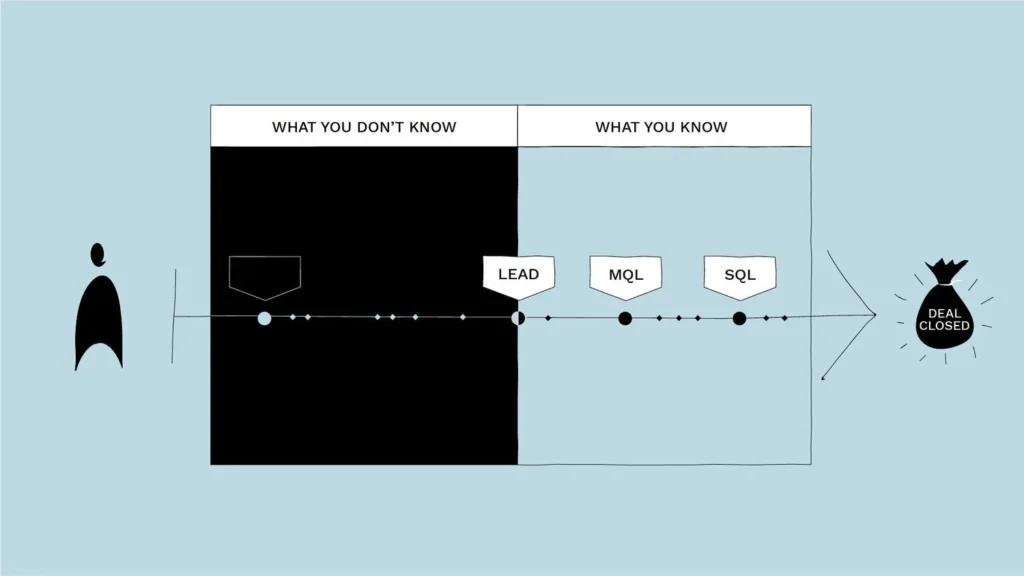
This means time to value can influence multiple parts of the revenue cycle:
Acquisition → Adoption → Value → Renewal → Expansion
The Future of B2B Software Sales KPIs
B2B software sales metrics are moving beyond the question of how many customers a company can acquire.
The quality of those customers and the results they achieve matter just as much.
Time to value brings an important customer-focused perspective to sales performance. It asks whether the promises made during the sales process translate into real outcomes after purchase.
For SaaS companies, this can be particularly important because revenue depends on customers continuing to see value over time.
Conclusion
Time to value is becoming an important KPI in B2B software sales because it connects sales performance with customer outcomes.
A successful deal should not end when the contract is signed. It should lead to a customer reaching meaningful value as quickly and reliably as possible.
By measuring time to value, B2B software companies can identify customer friction, improve onboarding, strengthen adoption, support renewals, and create better opportunities for expansion.
The companies that win in the long term will not simply be the ones that close deals fastest. They will be the ones that help customers realize value fastest.
That is why time to value deserves a place alongside the traditional KPIs used to measure B2B software sales performance.