For years, organizations viewed Contract Lifecycle Management (CLM) as an administrative or legal function. Contracts were considered necessary paperwork that ensured compliance, minimized legal risks, and documented business agreements. While these objectives remain important, today’s business landscape has significantly changed the role of contract management.
Modern organizations now recognize that Contract Lifecycle Management directly influences revenue generation, customer satisfaction, operational efficiency, and long-term business growth. Every commercial agreement—from sales contracts and procurement agreements to vendor partnerships and customer renewals—has a measurable impact on revenue.
As companies embrace digital transformation, automate workflows, and adopt data-driven decision-making, Contract Lifecycle Management has become a strategic business function rather than simply a legal process.
In this comprehensive guide, we’ll explore how Contract Lifecycle Management is evolving into a powerful revenue driver, why businesses are investing in modern CLM solutions, and how organizations can maximize financial returns through smarter contract management.
Understanding Contract Lifecycle Management
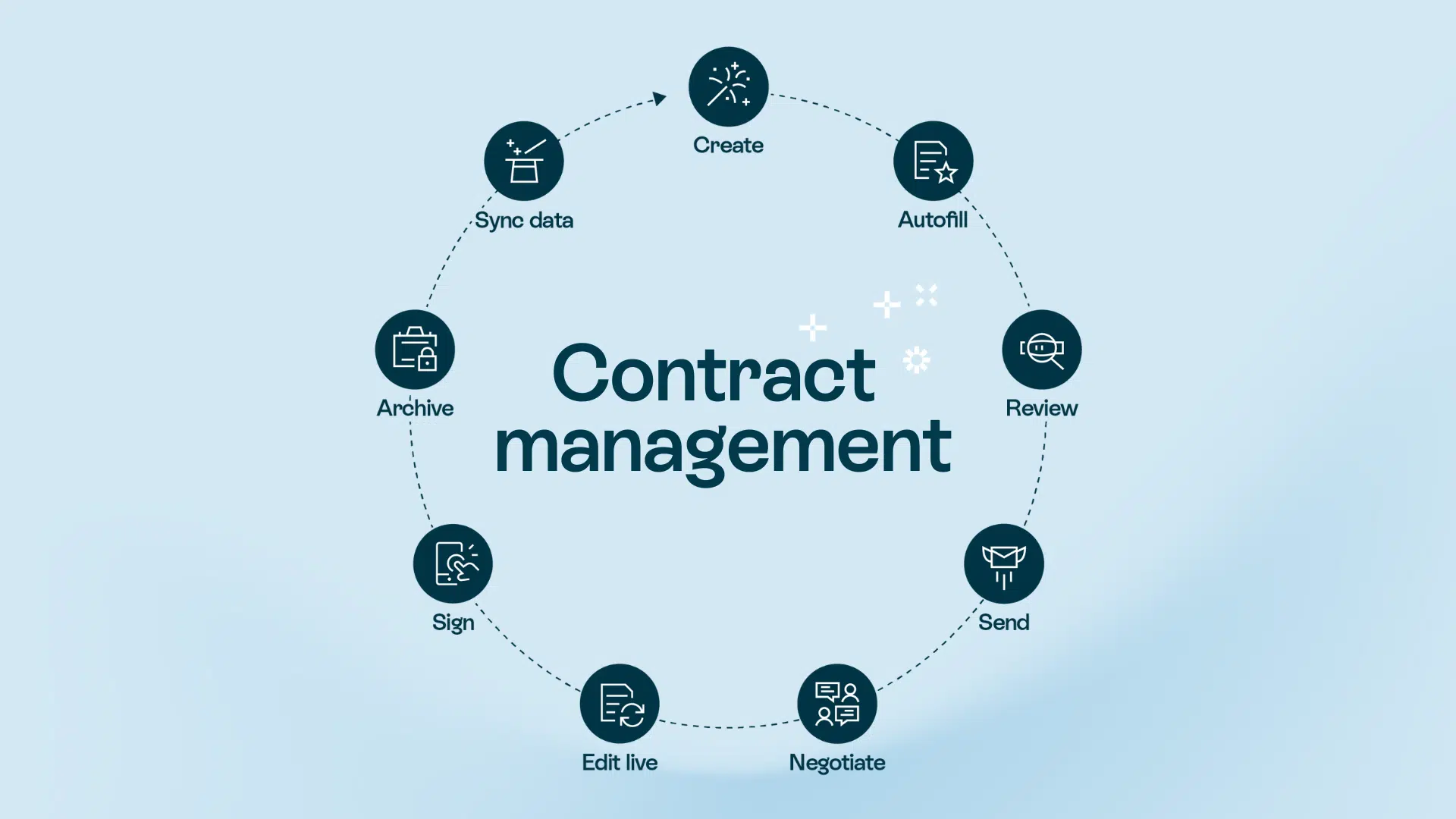
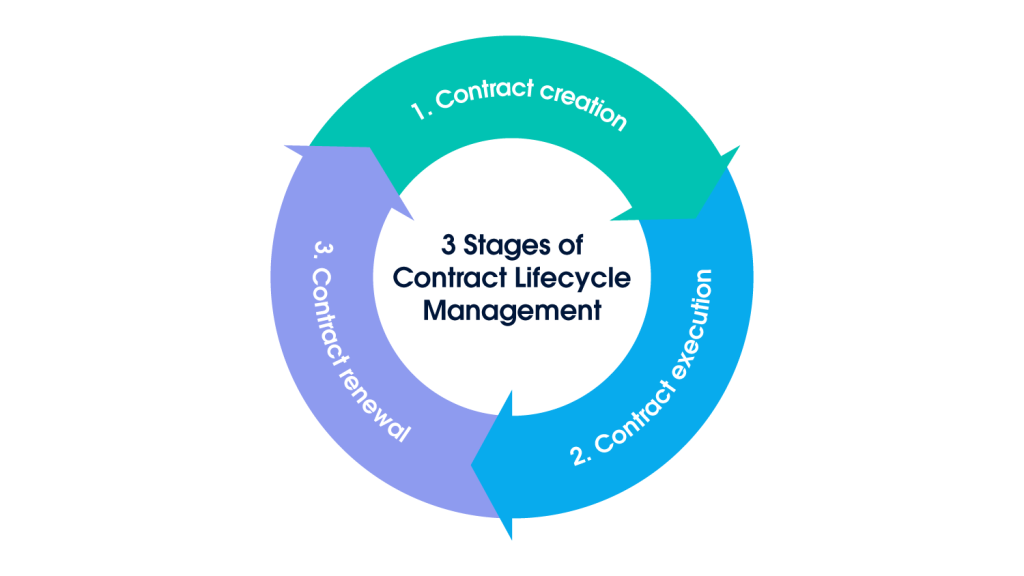
Contract Lifecycle Management (CLM) refers to the complete process of managing contracts from initiation through drafting, negotiation, approval, execution, storage, compliance monitoring, renewals, amendments, and eventual expiration.
Instead of handling contracts through spreadsheets, email threads, and manual documentation, businesses use CLM platforms to automate and streamline every stage of the contract lifecycle.
The typical stages include:
- Contract request
- Draft creation
- Internal review
- Negotiation
- Approval workflow
- Electronic signature
- Contract execution
- Performance monitoring
- Obligation tracking
- Renewals and amendments
- Contract closure
Each stage affects business performance in ways that directly influence revenue generation.
Why Contract Lifecycle Management Matters More Than Ever
Businesses today operate in increasingly competitive markets where speed, efficiency, and customer experience determine success.
Sales teams are under pressure to close deals faster.
Procurement teams must reduce vendor costs.
Legal teams need to minimize risks without slowing down business.
Finance departments require accurate contract visibility.
Executive leadership wants predictable revenue.
Contract Lifecycle Management connects all these functions through one centralized system.
Instead of contracts becoming bottlenecks, they become business accelerators.
The Shift from Cost Center to Revenue Driver
Traditionally, organizations considered legal and contract management departments as cost centers because they did not directly generate income.
Today, this perspective has changed.
Modern CLM platforms contribute to revenue by:
- Accelerating sales cycles
- Increasing contract accuracy
- Improving renewal rates
- Preventing revenue leakage
- Strengthening customer relationships
- Enabling cross-functional collaboration
- Providing actionable business intelligence
Contracts are no longer static documents—they are valuable business assets.
1. Faster Contract Approvals Mean Faster Revenue
One of the biggest ways Contract Lifecycle Management drives revenue is by reducing contract turnaround time.
Consider a typical sales process.
Without CLM:
- Multiple email chains
- Manual approvals
- Lost document versions
- Delayed legal review
- Slow executive sign-offs
Every additional day delays revenue recognition.
Modern CLM platforms automate approvals using predefined workflows.
For example:
- Sales managers approve pricing.
- Finance validates payment terms.
- Legal reviews compliance clauses.
- Executives approve large-value deals.
Approvals happen simultaneously rather than sequentially.
As a result:
- Deals close faster.
- Revenue is recognized sooner.
- Sales productivity improves.
2. Reducing Sales Cycle Length
Sales teams often spend significant time waiting for contracts instead of selling.
Contract Lifecycle Management shortens sales cycles through:
- Automated contract generation
- Pre-approved templates
- Standard clause libraries
- AI-assisted drafting
- Electronic signatures
- Real-time collaboration
Instead of creating contracts from scratch, sales representatives generate agreements in minutes.
This allows organizations to:
- Handle more opportunities
- Close more deals
- Increase monthly revenue
Even reducing contract preparation by a few days can significantly improve annual sales performance.
3. Eliminating Revenue Leakage
Revenue leakage occurs when businesses fail to capture the revenue they are entitled to under contractual agreements.
Common causes include:
- Missed billing milestones
- Incorrect pricing
- Untracked discounts
- Missed renewals
- Expired contracts
- Unfulfilled customer obligations
These small issues collectively result in substantial financial losses.
Contract Lifecycle Management provides visibility into every contractual obligation.
Automated alerts notify teams before:
- Pricing changes
- Service milestones
- Payment schedules
- Renewal deadlines
- Contract expirations
Organizations recover revenue that would otherwise be lost.
4. Increasing Contract Renewal Rates
Renewals often represent the most profitable source of recurring revenue.
However, many businesses lose customers simply because renewal opportunities are overlooked.
Manual systems frequently result in:
- Forgotten expiration dates
- Delayed customer communication
- Missed negotiations
- Automatic contract lapses
CLM platforms solve this through intelligent renewal management.
Automated reminders notify:
- Sales teams
- Account managers
- Legal departments
- Customers
Businesses can begin renewal discussions months before expiration.
Higher renewal rates directly increase recurring revenue while reducing customer acquisition costs.
5. Improving Customer Experience
Customers expect fast, transparent, and professional contracting experiences.
Lengthy negotiations or confusing documentation can negatively impact trust.
Contract Lifecycle Management improves customer experience through:
- Faster contract creation
- Online document collaboration
- Digital approvals
- Electronic signatures
- Real-time contract status updates
A smooth contracting experience creates confidence and strengthens customer relationships.
Satisfied customers are more likely to:
- Renew contracts
- Purchase additional services
- Recommend the business
- Become long-term partners
Customer experience ultimately influences revenue growth.
6. Empowering Sales Teams
Sales representatives perform best when they spend more time selling and less time managing paperwork.
Contract Lifecycle Management enables sales teams by providing:
- Self-service contract creation
- Approved legal language
- Automated workflows
- Faster negotiations
- Mobile accessibility
Instead of waiting days for legal assistance, representatives can create compliant contracts independently.
More selling time equals greater revenue potential.
7. Enhancing Cross-Selling and Upselling Opportunities
Contracts contain valuable business intelligence.
A CLM platform stores information such as:
- Products purchased
- Pricing history
- Renewal dates
- Customer obligations
- Service usage
- Purchase trends
These insights allow businesses to identify opportunities for:
- Cross-selling
- Upselling
- Premium services
- Contract expansion
Sales teams can proactively approach customers with relevant offers at the right time.
8. Better Contract Visibility Supports Better Decisions
Executives require accurate contract data to make informed business decisions.
Traditional contract storage often makes information difficult to access.
Contract Lifecycle Management centralizes every agreement in one searchable repository.
Decision-makers gain visibility into:
- Revenue commitments
- Contract values
- Customer obligations
- Vendor performance
- Renewal forecasts
- Financial exposure
Improved visibility leads to smarter strategic planning.
9. AI-Powered Contract Analytics
Artificial Intelligence is transforming Contract Lifecycle Management.
Modern CLM systems analyze thousands of contracts to identify:
- Revenue risks
- Compliance issues
- Unusual contract clauses
- Renewal opportunities
- Negotiation patterns
- Profitability trends
AI enables businesses to move beyond contract storage toward predictive decision-making.
Organizations can forecast future revenue with greater accuracy.
10. Reducing Legal Bottlenecks
Legal departments often become overwhelmed by repetitive contract reviews.
Routine agreements consume valuable legal resources.
CLM platforms solve this by providing:
- Approved templates
- Automated clause selection
- Risk scoring
- Workflow automation
- Version control
Legal professionals focus only on high-risk contracts while routine agreements proceed automatically.
This accelerates revenue generation without sacrificing compliance.
11. Supporting Subscription Business Models
Subscription businesses depend heavily on contracts.
Every renewal affects recurring revenue.
Contract Lifecycle Management supports subscription models through:
- Renewal automation
- Pricing adjustments
- Amendment tracking
- Usage monitoring
- Customer lifecycle visibility
This ensures recurring revenue remains stable and predictable.
12. Improving Compliance Without Slowing Growth
Compliance failures can lead to:
- Financial penalties
- Lost contracts
- Customer disputes
- Damaged reputation
Contract Lifecycle Management ensures every agreement follows organizational policies.
Automated compliance checks reduce risk while allowing sales processes to move efficiently.
Businesses avoid costly disruptions that affect profitability.
13. Better Vendor Management Improves Profit Margins
Revenue growth isn’t only about increasing sales.
Reducing unnecessary expenses also improves profitability.
CLM helps procurement teams manage supplier contracts effectively by monitoring:
- Pricing agreements
- Service levels
- Delivery schedules
- Performance metrics
- Renewal dates
Organizations negotiate better vendor relationships and reduce procurement costs.
Higher margins translate into stronger financial performance.
14. Data-Driven Revenue Forecasting
Contract data provides valuable insights into future income.
Businesses can accurately forecast:
- Upcoming renewals
- Revenue recognition
- Contract values
- Sales pipeline performance
- Customer retention
Reliable forecasting supports:
- Budget planning
- Hiring decisions
- Investment strategies
- Cash flow management
Executives gain greater financial confidence.
15. Digital Transformation Through Contract Automation
Digital transformation initiatives increasingly include Contract Lifecycle Management.
Automation reduces manual tasks such as:
- Document preparation
- Routing approvals
- Reminder emails
- Contract storage
- Compliance tracking
Employees spend less time on administration and more time on strategic activities.
Operational efficiency supports scalable revenue growth.
Measuring the Revenue Impact of Contract Lifecycle Management
Organizations implementing CLM often track key performance indicators (KPIs) such as:
- Contract turnaround time
- Sales cycle duration
- Renewal rate
- Customer retention
- Revenue leakage
- Approval speed
- Contract compliance
- Average deal size
- Time to revenue
- Legal review time
Monitoring these metrics helps demonstrate the financial value of Contract Lifecycle Management.
Best Practices for Maximizing CLM Revenue
Businesses seeking maximum return from Contract Lifecycle Management should adopt several best practices.
Standardize contract templates
Using approved templates reduces errors and speeds contract creation.
Automate approval workflows
Automation eliminates unnecessary delays and ensures accountability.
Integrate CLM with CRM and ERP systems
Connecting sales, finance, and legal platforms creates a seamless workflow.
Monitor key deadlines
Automated alerts prevent missed renewals and revenue opportunities.
Use AI-powered analytics
Leverage data to identify trends, improve negotiations, and reduce risks.
Train employees
Successful CLM adoption requires cross-functional collaboration and user education.
The Future of Contract Lifecycle Management
The future of Contract Lifecycle Management extends far beyond document management.
Emerging technologies will continue to reshape the field through:
- Artificial Intelligence
- Machine Learning
- Predictive analytics
- Natural Language Processing
- Blockchain verification
- Intelligent workflow automation
Future CLM platforms will automatically:
- Recommend negotiation strategies
- Predict renewal likelihood
- Detect revenue risks
- Generate optimized contract language
- Forecast business performance
Organizations that invest early in modern CLM capabilities will gain a significant competitive advantage.
Conclusion
Contract Lifecycle Management has evolved into one of the most valuable business technologies for organizations seeking sustainable growth. What was once viewed as an administrative necessity has become a strategic capability that directly influences revenue, profitability, customer satisfaction, and operational efficiency.
By accelerating contract approvals, shortening sales cycles, reducing revenue leakage, improving renewals, enhancing compliance, and delivering actionable business insights, CLM empowers businesses to turn every contract into a growth opportunity. Rather than treating contracts as static legal documents, successful organizations manage them as dynamic assets that support faster decision-making and stronger commercial outcomes.
As digital transformation continues and AI-driven automation becomes more sophisticated, the role of Contract Lifecycle Management will only grow in importance. Companies that modernize their contract processes today will be better positioned to increase revenue, improve customer relationships, reduce operational costs, and maintain a competitive edge in an increasingly complex business environment.
In today’s fast-paced marketplace, Contract Lifecycle Management is no longer just about managing contracts—it’s about unlocking the full revenue potential of every business agreement.