
In today’s highly competitive B2B landscape, traditional sales approaches are no longer enough to consistently drive pipeline growth. Buyers are more informed, sales cycles are longer, and timing has become everything. This is where signal-based selling is transforming how organizations build, prioritize, and convert their B2B sales pipelines.
What Is Signal-Based Selling?
Signal-based selling is a data-driven sales approach that leverages buyer intent signals, behavioral data, and real-time insights to identify when prospects are most likely to engage or purchase.
These signals can include:
- Website visits and content engagement
- Job changes or company growth indicators
- Product usage data (for SaaS companies)
- Funding announcements or expansion news
- Search intent and third-party intent data
Instead of relying on cold outreach or guesswork, sales teams act on timely, relevant signals, making their efforts more precise and effective.
Why Signal-Based Selling Matters for B2B Pipelines
1. Improved Lead Prioritization
One of the biggest challenges in B2B sales is identifying which leads to focus on. Signal-based selling helps teams:
- Prioritize high-intent prospects
- Reduce time spent on unqualified leads
- Increase efficiency across the pipeline
By focusing on accounts showing active buying signals, sales teams can allocate resources where they matter most.
2. Higher Conversion Rates
When outreach is aligned with buyer intent, engagement naturally improves. Signal-based selling enables:
- Personalized messaging based on real-time behavior
- Outreach at the right moment in the buyer journey
- More relevant conversations with prospects
This leads to higher response rates and better conversion across each stage of the pipeline.
3. Shorter Sales Cycles
Traditional sales cycles often drag due to poor timing and lack of context. With signal-based selling:
- Sales reps engage when buyers are already researching
- Decision-making cycles accelerate
- Friction in the pipeline is reduced
The result is a faster path from prospecting to closing.

4. Better Alignment Between Sales and Marketing
Signal-based selling bridges the gap between marketing and sales by creating a shared view of buyer intent. Benefits include:
- Unified data across teams
- Improved lead scoring models
- Seamless handoff from marketing to sales
This alignment ensures that both teams work toward pipeline quality, not just quantity.
5. Increased Pipeline Predictability
With access to consistent data signals, businesses can:
- Forecast revenue more accurately
- Identify pipeline gaps early
- Make data-backed decisions
This transforms pipeline management from reactive to proactive and predictable.
Key Types of Signals to Leverage
To fully benefit from signal-based selling, companies should track a mix of:
Intent Signals
- Search activity and keyword trends
- Content downloads and page visits
Engagement Signals
- Email opens and clicks
- Webinar attendance
Firmographic Signals
- Company size, industry, and growth rate
- Hiring trends and expansion
Technographic Signals
- Tools and platforms a company uses
- Changes in tech stack
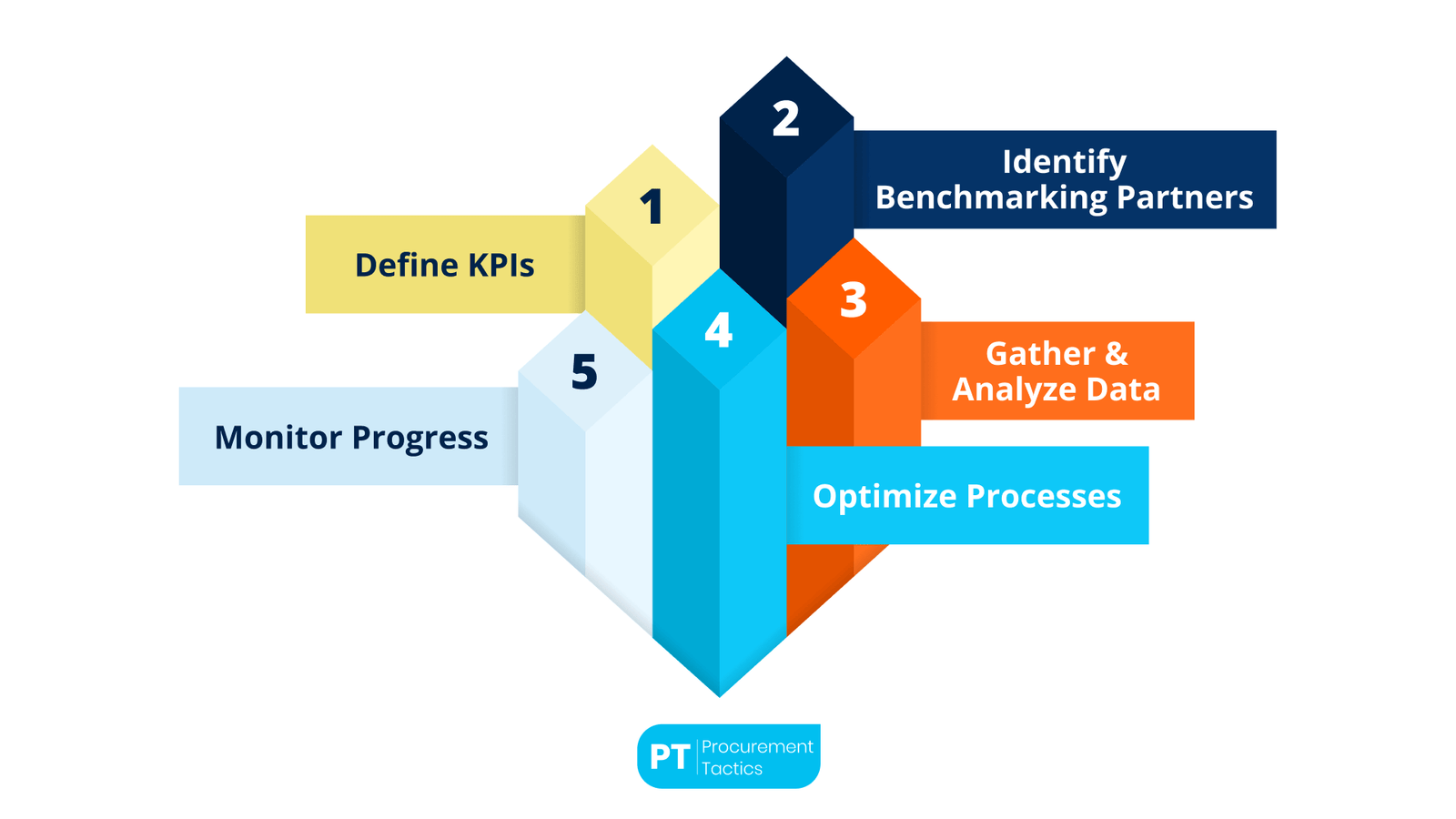
How to Implement Signal-Based Selling
1. Invest in the Right Tools
Use platforms that provide intent data, CRM integration, and analytics to capture and act on signals effectively.
2. Define High-Value Signals
Not all signals are equal. Identify which behaviors strongly correlate with buying intent in your industry.
3. Align Teams Around Data
Ensure marketing and sales teams share access to the same signals and insights.
4. Personalize Outreach
Use signals to craft messaging that directly addresses a prospect’s current needs or challenges.
5. Continuously Optimize
Track performance and refine your signal strategy to improve results over time.
Challenges to Consider
While powerful, signal-based selling comes with challenges:
- Data overload without proper filtering
- Integration issues between tools
- Privacy and compliance considerations
- Misinterpreting weak signals as strong intent
Addressing these challenges requires a clear strategy and the right technology stack.
The Future of B2B Sales Pipelines
Signal-based selling is not just a trend—it’s becoming the foundation of modern B2B sales strategies. As AI and data analytics continue to evolve, signals will become:
- More accurate
- More predictive
- More actionable
Organizations that adopt this approach early will gain a significant competitive advantage in building efficient, high-converting pipelines.
Conclusion
The impact of signal-based selling on B2B sales pipelines is profound. By shifting from reactive outreach to proactive, data-driven engagement, businesses can:
- Improve lead quality
- Increase conversions
- Shorten sales cycles
- Build predictable revenue streams
In a world where timing and relevance define success, signal-based selling is quickly becoming a must-have strategy for B2B growth.