Introduction
The enterprise buying process has undergone a dramatic transformation over the last decade. Gone are the days when a single executive or department head could make a purchasing decision with minimal input from others. Today, enterprise buying involves multiple stakeholders, extensive research, and collaborative decision-making across departments. In this evolving landscape, a new group of decision-makers has emerged—“Invisible Influencers.”
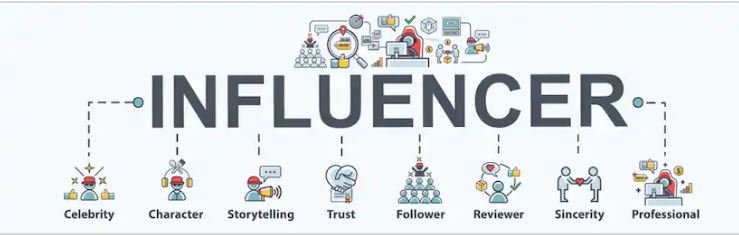
Invisible influencers are individuals who may not hold the final purchasing authority or even participate in vendor meetings, but they significantly shape buying decisions behind the scenes. These employees influence vendor selection, technology adoption, procurement strategies, risk assessments, and budget approvals through their expertise, recommendations, and internal networks.
For B2B marketers, sales teams, and procurement professionals, understanding these hidden stakeholders has become essential. Winning an enterprise deal is no longer about convincing one executive; it requires building trust with an ecosystem of influencers who contribute to the final decision.
This article explores the rise of invisible influencers, why they matter, how they impact enterprise buying, and practical strategies businesses can use to engage them effectively.
What Are Invisible Influencers?
Invisible influencers are employees within an organization who play an indirect yet meaningful role in purchasing decisions. They may not sign contracts, negotiate pricing, or appear in sales presentations, but their opinions often carry significant weight during internal discussions.
These individuals typically:
- Conduct independent research on products and vendors.
- Evaluate technical compatibility.
- Assess operational risks.
- Recommend preferred solutions.
- Influence executive recommendations.
- Share insights with procurement teams.
- Advocate for or against specific vendors.
Unlike traditional decision-makers, invisible influencers often operate behind the scenes, making them difficult for vendors to identify and engage.
Why Invisible Influencers Are Becoming More Important
Several workplace trends have increased the influence of these hidden stakeholders.
1. Enterprise Buying Has Become More Collaborative
Modern organizations recognize that purchasing decisions affect multiple departments. As a result, buying committees now include representatives from:
- IT
- Finance
- Procurement
- Security
- Operations
- Legal
- Compliance
- Human Resources
- End-user departments
Every stakeholder contributes unique expertise, making enterprise buying a shared responsibility.
2. Digital Research Has Changed Buyer Behavior
Before speaking with a salesperson, most enterprise buyers conduct extensive online research.
Invisible influencers frequently:
- Read product reviews.
- Compare vendors.
- Download whitepapers.
- Watch webinars.
- Join professional communities.
- Consult peer recommendations.
- Analyze analyst reports.
By the time vendors enter the conversation, many internal opinions have already formed.
3. Technology Decisions Affect Everyone
Enterprise software, cloud platforms, cybersecurity solutions, and business applications influence nearly every department.
For example:
A marketing automation platform impacts:
- Marketing teams
- IT administrators
- Security specialists
- Data privacy officers
- Finance departments
- Procurement teams
Each group evaluates the purchase from a different perspective.
Who Are These Invisible Influencers?
Invisible influencers can exist at every organizational level.
Technical Specialists
Engineers, developers, and IT architects often evaluate technical capabilities before executives approve investments.
They assess:
- Integration capabilities
- Scalability
- Security
- Performance
- Reliability
A negative technical recommendation can eliminate a vendor before procurement discussions even begin.
Department Managers
Managers understand operational challenges better than executives.
They influence purchasing by identifying:
- Workflow improvements
- Productivity gains
- User adoption concerns
- Resource requirements
Their practical insights frequently shape buying recommendations.
Procurement Analysts
Procurement professionals increasingly rely on internal analysts who compare:
- Supplier performance
- Pricing models
- Contract risks
- Market benchmarks
Their evaluations influence supplier selection significantly.
Security Teams
Cybersecurity has become a central concern for enterprise buyers.
Security professionals review:
- Compliance certifications
- Data protection measures
- Privacy controls
- Vendor risk assessments
A security team’s rejection can halt even the most promising sales opportunity.
Finance Teams
Finance analysts influence purchasing by evaluating:
- Total cost of ownership (TCO)
- Return on investment (ROI)
- Budget availability
- Cost forecasts
- Financial risks
Their recommendations often determine whether projects receive funding.
End Users
Employees who actually use the product frequently shape buying decisions.
If users believe a solution is difficult to adopt or doesn’t solve their problems, executives may reconsider the purchase.
Why Traditional Sales Strategies No Longer Work
Many sales strategies still focus almost exclusively on executives.
However, enterprise buying has become decentralized.
Instead of convincing one decision-maker, vendors must earn confidence across multiple stakeholder groups.
For example:
A CIO may support purchasing new collaboration software.
However:
- Security objects.
- Procurement dislikes contract terms.
- IT dislikes integrations.
- Finance questions pricing.
- Employees prefer another platform.
Despite executive support, the purchase stalls.
Invisible influencers often determine whether deals move forward.
The Buying Committee Has Expanded
Research consistently shows that enterprise buying committees have grown significantly in recent years.
Large purchasing decisions often involve:
- Executive sponsors
- Procurement professionals
- Technical evaluators
- Financial reviewers
- Legal advisors
- Security experts
- Business users
- Department leaders
Each stakeholder evaluates different buying criteria.
This complexity explains why enterprise sales cycles continue to lengthen.
How Invisible Influencers Shape Buying Decisions
Invisible influencers affect enterprise purchases in multiple ways.
Conducting Independent Vendor Research
Many stakeholders perform their own evaluations before engaging suppliers.
They compare:
- Product features
- Customer reviews
- Industry rankings
- Pricing models
- Competitor solutions
Sales teams may never know these evaluations occurred.
Recommending Preferred Vendors
Internal experts frequently create shortlists based on:
- Previous experience
- Peer recommendations
- Technical compatibility
- Vendor reputation
Their recommendations influence executive discussions long before formal presentations begin.
Identifying Hidden Risks
Invisible influencers specialize in identifying concerns that executives may overlook.
Examples include:
- Compliance issues
- Integration challenges
- Data migration complexity
- User adoption barriers
- Operational disruption
Their assessments often determine project feasibility.
Influencing Procurement Negotiations
Procurement relies on internal experts during supplier negotiations.
Invisible influencers may advise on:
- Service-level agreements (SLAs)
- Support requirements
- Performance guarantees
- Implementation timelines
- Pricing benchmarks
These recommendations directly affect contract negotiations.
The Role of Digital Content
Because invisible influencers often remain anonymous, digital content becomes a primary engagement tool.
They consume resources such as:
- Blog articles
- Whitepapers
- Product comparison guides
- Customer success stories
- Case studies
- Webinars
- Product documentation
- ROI calculators
High-quality educational content helps vendors build credibility before direct conversations occur.
Social Proof Matters More Than Ever
Invisible influencers value objective evidence over marketing claims.
They look for:
- Customer testimonials
- Third-party reviews
- Analyst reports
- Industry awards
- Implementation case studies
- Performance benchmarks
Organizations that demonstrate measurable business outcomes gain greater trust.
Procurement Teams and Invisible Influencers
Procurement professionals increasingly collaborate with hidden stakeholders throughout the buying process.
Rather than selecting suppliers independently, procurement gathers input from:
- Technical experts
- Compliance teams
- Finance
- Operations
- Business users
This collaborative model reduces purchasing risks while improving supplier selection.
How Vendors Can Engage Invisible Influencers
Create Educational Content
Focus on solving business problems instead of promoting products.
Useful content includes:
- Buying guides
- Industry research
- Best-practice articles
- Technical documentation
- Implementation checklists
Educational resources establish authority and trust.
Build Department-Specific Messaging
Different stakeholders have different priorities.
For example:
Finance wants:
- ROI
- Cost savings
- Budget predictability
IT wants:
- Integration
- Security
- Reliability
Procurement wants:
- Supplier stability
- Competitive pricing
- Contract flexibility
Tailored messaging resonates more effectively than generic sales pitches.
Invest in Customer Advocacy
Satisfied customers become powerful influencers.
Encourage customers to share:
- Success stories
- Case studies
- Online reviews
- Speaking engagements
- Peer recommendations
Authentic customer experiences often carry more weight than vendor presentations.
Support Self-Service Buying
Enterprise buyers increasingly prefer independent research.
Provide resources such as:
- Product demos
- Pricing information
- Technical documentation
- FAQs
- Interactive tools
Making information easily accessible supports invisible influencers during evaluation.
Engage Communities
Professionals regularly seek advice in:
- Industry forums
- Professional associations
- LinkedIn groups
- Technical communities
- User groups
Active participation helps build brand credibility where influencers already spend time.
Common Mistakes Companies Make
Organizations often overlook invisible influencers by:
- Focusing only on executives.
- Delivering generic sales presentations.
- Ignoring technical concerns.
- Underestimating procurement’s role.
- Providing insufficient documentation.
- Neglecting post-sale user experience.
These mistakes can delay or derail enterprise deals.
Measuring the Impact of Invisible Influencers
While difficult to identify directly, businesses can measure their influence through:
- Content engagement metrics
- Webinar attendance
- Whitepaper downloads
- Product documentation usage
- Technical support inquiries
- Multi-stakeholder meeting participation
- Deal progression analysis
These indicators reveal how hidden stakeholders interact with vendors throughout the buying journey.
Future Trends
Invisible influencers will become even more influential as enterprise buying continues to evolve.
Key trends include:
AI-Assisted Buying
Artificial intelligence will help stakeholders compare vendors, analyze contracts, and evaluate solutions more efficiently.
Greater Procurement Collaboration
Procurement teams will rely increasingly on cross-functional input to reduce risk and improve supplier selection.
Data-Driven Decision Making
Organizations will expect measurable evidence for every purchasing recommendation, making benchmarks, ROI analyses, and case studies even more valuable.
Stronger Focus on User Experience
Employee adoption and usability will play a larger role in purchasing decisions, giving end users greater influence over vendor selection.
ESG and Compliance Considerations
Invisible influencers from sustainability, legal, and compliance teams will have a stronger voice as organizations prioritize environmental, social, and governance (ESG) goals alongside regulatory requirements.
Best Practices for Winning Enterprise Deals
To succeed in today’s buying environment:
- Identify all potential stakeholders early in the sales process.
- Develop content tailored to different departments and job roles.
- Equip champions with resources they can share internally.
- Demonstrate measurable business outcomes through case studies and ROI data.
- Address technical, financial, security, and compliance concerns proactively.
- Maintain transparent communication throughout the buying journey.
- Continue engaging stakeholders after the sale to strengthen advocacy and long-term relationships.
Conclusion
The rise of invisible influencers has fundamentally reshaped enterprise buying decisions. Purchasing is no longer controlled by a single executive or procurement manager; it is the result of collaboration among technical experts, finance professionals, security teams, department managers, procurement specialists, and end users who contribute their expertise behind the scenes.
For vendors, recognizing and engaging these hidden stakeholders is now a competitive necessity. Organizations that invest in educational content, personalized messaging, transparent communication, and evidence-based selling are better positioned to earn trust across the entire buying committee—not just with the final approver.
As enterprise purchasing becomes increasingly data-driven and collaborative, invisible influencers will continue to shape vendor selection, procurement strategies, and long-term business partnerships. Companies that adapt their sales and marketing strategies to support these stakeholders will not only shorten sales cycles but also build stronger customer relationships and achieve more sustainable growth in the evolving B2B marketplace.