In today’s B2B landscape, buyers conduct extensive research long before they speak with a sales representative. They compare vendors, review websites, evaluate customer experiences, and validate claims through multiple digital touchpoints. As a result, first impressions are no longer formed in a boardroom or during a product demo—they are formed online.
This shift has made trust signals one of the most important factors influencing high-value B2B purchasing decisions.
Enterprise buyers are responsible for large budgets, complex implementations, and long-term partnerships. Every decision carries financial, operational, and reputational risk. Before committing to a six- or seven-figure investment, they need reassurance that a vendor is credible, capable, and reliable.
Digital trust signals provide that reassurance.
From customer testimonials and security certifications to thought leadership, case studies, and transparent pricing, these indicators help reduce uncertainty and strengthen buyer confidence throughout the purchasing journey.
This article explores why trust signals have become critical in modern B2B sales, the different types that influence enterprise buyers, and how organizations can build digital credibility to win more high-value deals.
What Are Digital Trust Signals?
Digital trust signals are the visible indicators that demonstrate a company’s credibility, expertise, reliability, and professionalism online.
They help potential buyers answer questions such as:
- Can this company deliver what it promises?
- Is it financially stable?
- Do other businesses trust it?
- Is customer data secure?
- Does the company understand our industry?
- Will this partnership succeed over the long term?
Trust signals reduce perceived risk by providing evidence instead of promises.
Unlike marketing claims, they offer independent or verifiable proof that a business is capable of meeting customer expectations.
Why Trust Matters More in High-Value B2B Sales
Large B2B purchases involve multiple stakeholders.
A buying committee may include:
- Procurement teams
- Department heads
- IT leaders
- Security specialists
- Finance executives
- Legal advisors
- C-suite decision-makers
Each stakeholder evaluates different aspects of a potential vendor.
Finance focuses on ROI.
IT evaluates technical capabilities.
Security examines compliance.
Executives assess long-term strategic value.
Strong trust signals help satisfy these concerns before the first sales meeting even takes place.
The more confidence buyers have, the easier it becomes to move through each stage of the sales cycle.
Modern Buyers Research Before They Engage
Today’s B2B buyers complete a significant portion of their purchasing journey independently.
Before requesting a demo, they often:
- Visit company websites
- Read blog articles
- Download whitepapers
- Compare competitors
- Watch product videos
- Review customer testimonials
- Examine case studies
- Search for online reviews
- Evaluate executive profiles
- Check social media activity
Every interaction contributes to the buyer’s perception of trustworthiness.
A professional digital presence creates confidence.
An outdated or inconsistent presence creates doubt.
The Psychology Behind Trust Signals
Business purchases are often viewed as rational decisions driven by data.
However, psychology still plays a significant role.
Enterprise buyers seek confidence because uncertainty increases perceived risk.
Trust signals reduce that uncertainty by providing:
- Social proof
- Authority
- Transparency
- Consistency
- Expertise
- Reliability
When buyers repeatedly encounter positive indicators across multiple channels, they become more comfortable moving forward.
Trust is rarely established through a single interaction.
It develops through repeated validation.
Website Quality as a Trust Signal
Your website is often the first interaction a prospect has with your business.
A professional website communicates competence.
Important trust-building elements include:
- Modern design
- Fast loading speeds
- Mobile responsiveness
- Clear navigation
- Updated content
- Secure HTTPS connections
- Professional branding
- Contact information
- Privacy policies
- Easy access to customer support
An outdated website can unintentionally signal that a business is no longer innovative or responsive.
For enterprise buyers, digital presentation reflects organizational maturity.
Customer Testimonials Build Social Proof
Prospects trust other customers more than marketing copy.
Testimonials demonstrate that real organizations have achieved measurable success.
The most effective testimonials include:
- Customer names
- Company names
- Job titles
- Specific business outcomes
- Quantifiable improvements
For example:
“Our implementation reduced processing time by 42% within six months.”
Concrete outcomes are more persuasive than generic praise.
Case Studies Demonstrate Proven Results
Case studies go beyond testimonials by explaining:
- The customer’s challenge
- The proposed solution
- Implementation process
- Results achieved
- Business impact
Enterprise buyers often search for companies similar to their own.
Industry-specific case studies help prospects visualize success within their own organizations.
They also provide practical evidence that a vendor understands real business problems.
Industry Certifications Increase Confidence
Compliance and certifications reduce perceived operational risk.
Examples include:
- ISO certifications
- SOC compliance
- GDPR readiness
- Cybersecurity certifications
- Quality management standards
For technology providers, security certifications often become deciding factors during procurement.
Buyers want confidence that sensitive information will remain protected.
Thought Leadership Establishes Authority
Organizations that consistently publish valuable insights become recognized as industry experts.
Thought leadership content includes:
- Research reports
- Industry analysis
- Expert articles
- Original surveys
- Trend forecasts
- Educational webinars
- Podcasts
- Whitepapers
Rather than promoting products, effective thought leadership helps buyers make informed decisions.
This positions the company as a trusted advisor instead of just another vendor.
Executive Visibility Enhances Credibility
People trust people more than logos.
When company leaders actively share expertise through interviews, conference presentations, LinkedIn articles, or webinars, they humanize the organization.
Executive visibility demonstrates:
- Industry knowledge
- Strategic vision
- Transparency
- Accessibility
- Leadership
Buyers are often more confident partnering with organizations led by recognized experts.
Online Reviews Influence Enterprise Decisions
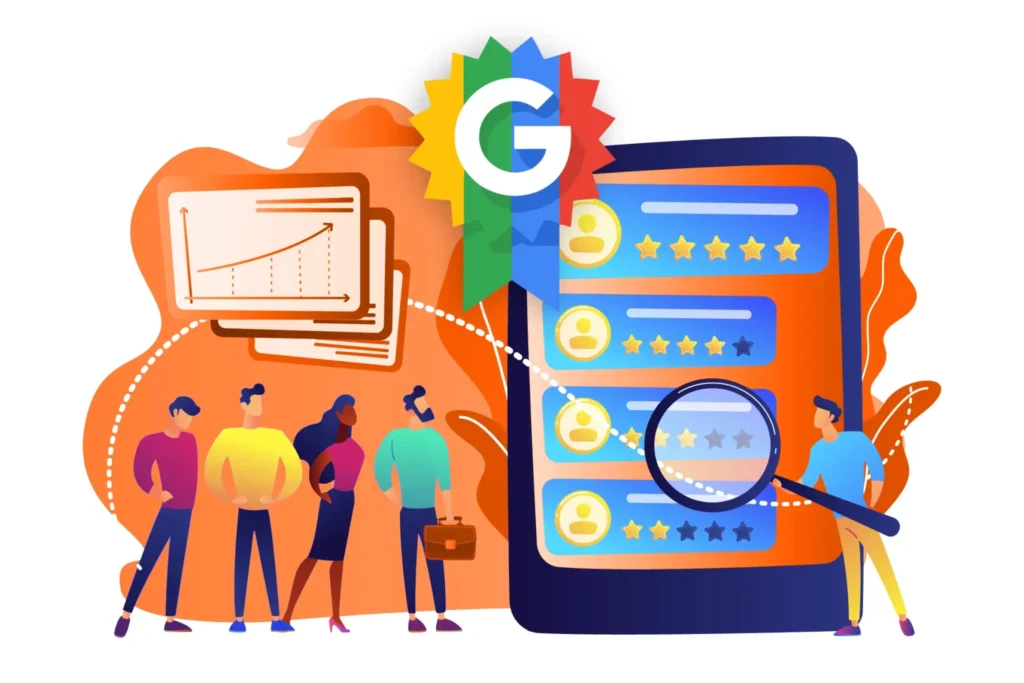
Review platforms have become increasingly important in B2B purchasing.
Prospects frequently examine customer feedback before scheduling a sales conversation.
Positive reviews highlight:
- Customer satisfaction
- Product reliability
- Service quality
- Support responsiveness
- Ease of implementation
Responding professionally to both positive and critical reviews further strengthens trust by demonstrating accountability.
Consistent Brand Messaging Matters
Trust is reinforced when messaging remains consistent across every digital channel.
This includes:
- Website content
- Social media
- Email campaigns
- Sales presentations
- Marketing materials
- Product documentation
Conflicting messages create confusion.
Consistency creates confidence.
Every communication should reinforce the same value proposition and brand promise.
Transparency Reduces Buyer Risk
Transparency has become a competitive advantage.
Organizations increasingly build trust by openly sharing:
- Product capabilities
- Pricing models
- Service limitations
- Implementation timelines
- Security practices
- Support commitments
Being transparent about limitations often strengthens credibility more than making unrealistic promises.
Buyers appreciate honesty because it helps them make informed decisions.
Security Signals Are Essential for Enterprise Buyers
Cybersecurity concerns continue to shape B2B purchasing decisions.
Important trust indicators include:
- Multi-factor authentication
- Data encryption
- Secure hosting
- Privacy compliance
- Regular security audits
- Vulnerability management
- Disaster recovery planning
Security is no longer just an IT requirement.
It has become a critical sales differentiator.
Content Quality Reflects Organizational Expertise
High-quality educational content demonstrates deep industry understanding.
Effective content includes:
- Comprehensive blog articles
- Practical guides
- Technical documentation
- Frequently asked questions
- Video tutorials
- Research reports
Well-researched content helps prospects solve problems before becoming customers.
That generosity builds trust over time.
Customer Support Signals Long-Term Commitment
Enterprise buyers evaluate not only the product but also the relationship that follows.
Visible support resources include:
- Knowledge bases
- Live chat
- Technical documentation
- Customer communities
- Training resources
- Dedicated success teams
Strong post-sale support reassures buyers that they will not be left alone after implementation.
Awards and Industry Recognition
Independent recognition reinforces credibility.
Examples include:
- Innovation awards
- Industry rankings
- Analyst recognition
- Employer awards
- Technology partnerships
Third-party validation often carries greater weight than self-promotion.
It demonstrates that respected organizations recognize the company’s capabilities.
Partner Ecosystems Strengthen Confidence
Strategic partnerships indicate business stability.
Partnerships with established technology providers, consultants, or integration partners signal that the organization operates within a trusted ecosystem.
Buyers often view these relationships as additional evidence of reliability.
Measuring the Impact of Trust Signals
Organizations should monitor how trust influences business performance.
Useful metrics include:
- Website conversion rates
- Demo requests
- Proposal acceptance rates
- Sales cycle length
- Customer acquisition cost
- Win rate
- Renewal rate
- Expansion revenue
Improved trust often results in:
- Shorter sales cycles
- Higher conversion rates
- Increased average contract value
- Better customer retention
- Stronger referrals
Tracking these outcomes helps quantify the business value of trust-building initiatives.
Common Mistakes That Undermine Digital Trust
Even strong products can struggle if trust signals are weak or inconsistent.
Common mistakes include:
- Outdated websites
- Broken links
- Incomplete contact information
- Generic testimonials
- Inconsistent branding
- Poor mobile experience
- Lack of security information
- Irregular content updates
- Hidden pricing without explanation
- Slow response to customer inquiries
Small credibility gaps can have a significant impact on enterprise buying decisions.
Best Practices for Building Strong Digital Trust Signals
Organizations looking to improve credibility should focus on several key initiatives:
Showcase Real Customer Success
Use measurable case studies, testimonials, and client stories to demonstrate business impact.
Publish Valuable Educational Content
Answer industry questions with practical, research-backed insights rather than promotional messaging.
Invest in Website Experience
Ensure your website is fast, secure, accessible, and easy to navigate.
Highlight Certifications and Compliance
Display relevant security, privacy, and quality certifications prominently.
Encourage Customer Reviews
Invite satisfied customers to share authentic feedback on trusted review platforms.
Maintain Consistent Messaging
Align branding and communication across every customer touchpoint.
Demonstrate Transparency
Clearly communicate capabilities, pricing approaches, implementation expectations, and support processes.
Keep Content Current
Regularly update blogs, case studies, product information, and company news to reflect ongoing innovation.
The Future of Trust in B2B Buying
Artificial intelligence, digital transformation, and remote selling continue to reshape the B2B buying journey.
As buyers rely even more heavily on digital research, trust signals will become increasingly influential.
Organizations that invest in credibility, transparency, customer advocacy, and educational content will stand out in crowded markets.
Rather than competing solely on price or product features, they will compete on confidence.
And confidence is often what closes high-value deals.
Conclusion
In high-value B2B sales, trust is not built during a single meeting or product demonstration. It is established through every digital interaction a prospective customer has with your brand.
From a secure and professional website to compelling case studies, customer testimonials, industry certifications, executive thought leadership, and transparent communication, every trust signal helps reduce uncertainty and strengthen buyer confidence.
Organizations that consistently invest in building digital credibility create smoother buying experiences, shorten sales cycles, improve conversion rates, and increase enterprise deal sizes.
As B2B purchasing becomes more research-driven and risk-conscious, trust signals are no longer optional marketing assets—they are strategic business advantages.
Companies that understand this shift will be better positioned to earn buyer confidence, differentiate themselves from competitors, and secure the high-value partnerships that drive long-term growth.